Could You Be Left‑Handed Because You Never Trained to Be Right‑Handed?
- Nishadil
- July 06, 2026
- 0 Comments
- 3 minutes read
- 25 Views
- Save
- Follow Topic
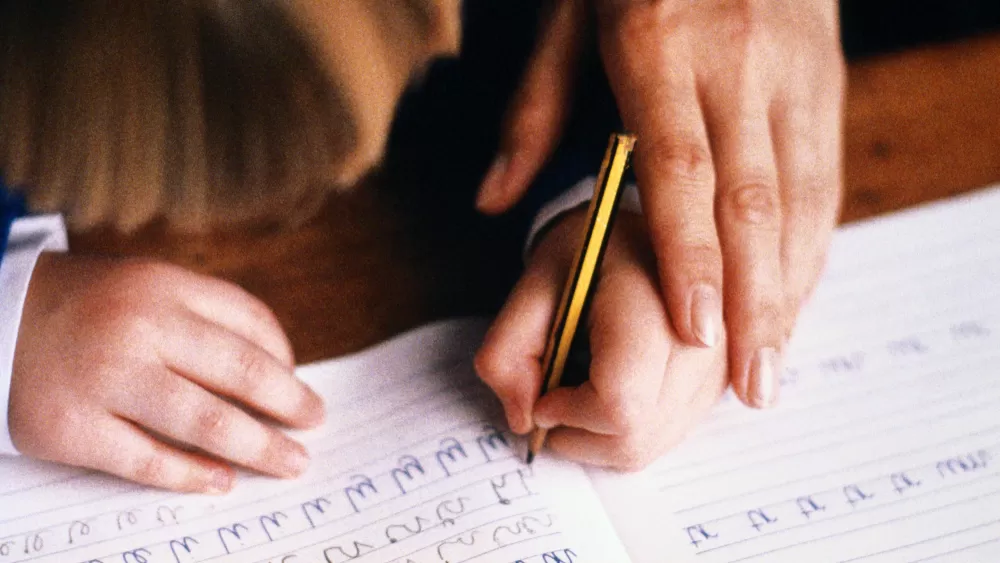
Scientists say handedness may be more about practice than genetics
A new study suggests that the brain’s wiring for left‑ or right‑handedness isn’t set in stone. Kids who aren’t pushed to use their right hand early on are more likely to stay left‑handed later in life.
Ever wondered why about one in ten people write with their left hand? For years the answer was simple: genetics. But recent research is shaking that old narrative, hinting that a lack of practice using the right hand in early childhood could be the real culprit for many left‑handers.
Researchers at the University of California, San Diego, teamed up with developmental psychologists to observe a cohort of infants from birth to age three. They didn’t just stare at baby hands; they actually gave the toddlers a series of tiny tasks that forced them to favor one hand over the other. Think of a toy that only lights up when squeezed with the right hand, or a snack that’s easier to pick up with a right‑handed grip.
What they found was striking. Babies who were nudged—gently, not harshly—to use their right hand more often ended up showing a stronger right‑hand preference by the time they could write. Those who weren’t pushed at all tended to keep whatever hand they naturally favored, which in many cases was the left.
It’s not that genes disappear from the equation. “Handedness is still heritable,” says Dr. Elena García, the study’s lead author, “but the environment can amplify or suppress that genetic tilt.” In plain English, your DNA might whisper, “I’m a left‑hander,” but if you’re constantly reaching for a right‑handed pencil, the brain can rewire itself to comply.
Neuroscientists point to the brain’s plasticity—its ability to reshuffle neural pathways based on repeated activity. The motor cortex, the region that controls hand movements, is especially malleable in the first few years of life. When a child repeatedly practices a motion with the right hand, those neural circuits get stronger, making right‑handedness more dominant.
Historically, many cultures have outright discouraged left‑handedness, from school desks that force right‑handed writing to cultural taboos that label the left hand “unclean.” This new data suggests those social pressures may have had a biological impact all along, not just a psychological one.
Of course, the study isn’t a free pass for parents to force their kids to switch hands. “Heavy‑handed coercion can lead to frustration, reduced fine‑motor skill development, and even anxiety,” García warns. The takeaway is subtler: offering children a variety of tools that encourage both hands can help them develop a more balanced motor skill set, and ultimately let their natural preference shine.
So, if you’re left‑handed and have never been asked to change, you’re probably just following the brain’s original wiring. If you’re right‑handed because you were gently guided that way, you might owe a small thank‑you to the toys that insisted you squeeze them with the right hand.
The bottom line? Handedness is less a rigid genetic destiny and more a dance between DNA and daily habit. The next time you see a left‑handed person, remember: they might simply have never been given the chance—or the pressure—to become right‑handed.
Editorial note: Nishadil may use AI assistance for news drafting and formatting. Readers can report issues from this page, and material corrections are reviewed under our editorial standards.