Combo Therapy Shows 82% Tumor Response in Advanced Pancreatic Cancer – A Chemo‑Free Breakthrough
- Nishadil
- October 24, 2026
- 0 Comments
- 2 minutes read
- 6 Views
- Save
- Follow Topic
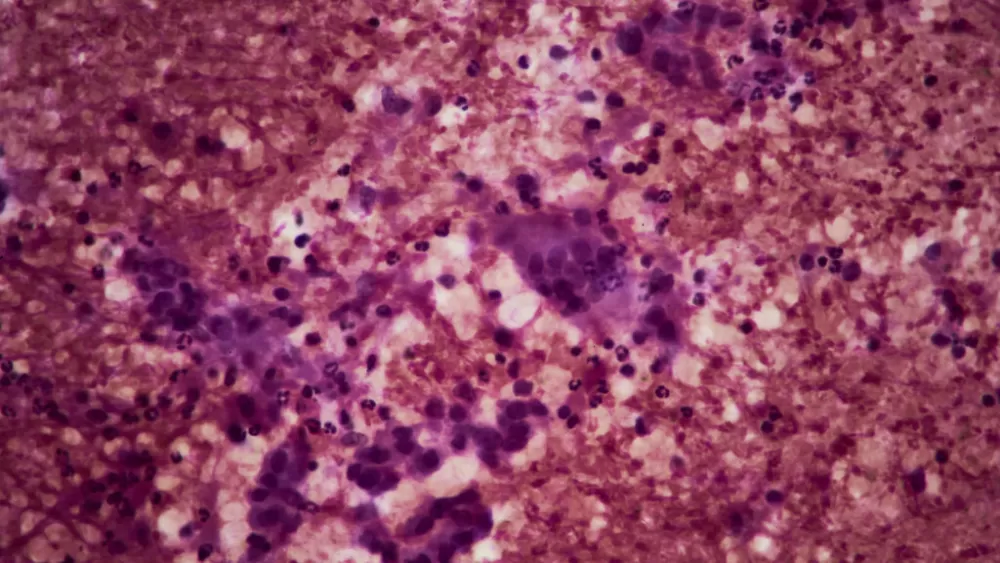
Tango Therapeutics and Revolution Medicines report high response rates in pancreatic cancer trial
A new targeted combination achieved an 82% tumor response and 88% disease‑free survival at nine months in advanced pancreatic cancer, without chemotherapy.
At the European Society for Medical Oncology (ESMO) meeting in Madrid, researchers from Tango Therapeutics and Revolution Medicines unveiled data that could reshape how doctors treat a notoriously aggressive form of pancreatic cancer. The trial combined Tango’s experimental epigenetic drug, vopimetostat, with Revolution’s targeted agent, Rasonque, and the results were striking.
Out of the patients enrolled, a remarkable 82% showed a measurable reduction in tumor size – a response rate that, by most accounts, far exceeds what’s been seen with standard chemotherapy regimens. Even more encouraging, 88% of those participants were still alive and free from disease progression when the study team checked in at the nine‑month mark.
What makes this finding especially compelling is that the regimen was entirely chemo‑free. For decades, gemcitabine‑based chemotherapy has been the backbone of treatment, despite its modest efficacy and considerable side‑effects. By sidestepping chemotherapy altogether, the combination hints at a future where patients might avoid the harsh toxicity that has long been a hallmark of pancreatic cancer care.
The trial’s design was straightforward: patients with advanced, KRAS‑mutated pancreatic ductal adenocarcinoma received the oral duo of vopimetostat and Rasonque until disease progression or unacceptable toxicity. Safety signals were manageable, with most adverse events being mild to moderate and reversible upon dose adjustment.
Experts at the conference emphasized that these outcomes reinforce a growing hypothesis in oncology – that strategic pairings of targeted agents can produce synergistic effects that single agents simply can’t achieve. “We’re seeing a clear signal that hitting multiple pathways at once can translate into real, durable clinical benefit,” said Dr. Elena Martínez, an oncologist not involved in the study.
While the data are promising, the researchers cautioned that the study is still early‑phase and involves a limited number of participants. Larger, randomized trials will be necessary to confirm efficacy and to determine whether the combo can improve overall survival compared with existing standards of care.
Nevertheless, the findings have ignited optimism across the oncology community. If subsequent studies validate these results, the Tango‑Revolution partnership could herald a new era of personalized, less toxic treatment options for patients battling one of the deadliest cancers.
Editorial note: Nishadil may use AI assistance for news drafting and formatting. Readers can report issues from this page, and material corrections are reviewed under our editorial standards.