Circadian Depression: A New Subtype Tied to Sleep Patterns and Seasonal Changes
- Nishadil
- October 22, 2026
- 0 Comments
- 2 minutes read
- 5 Views
- Save
- Follow Topic
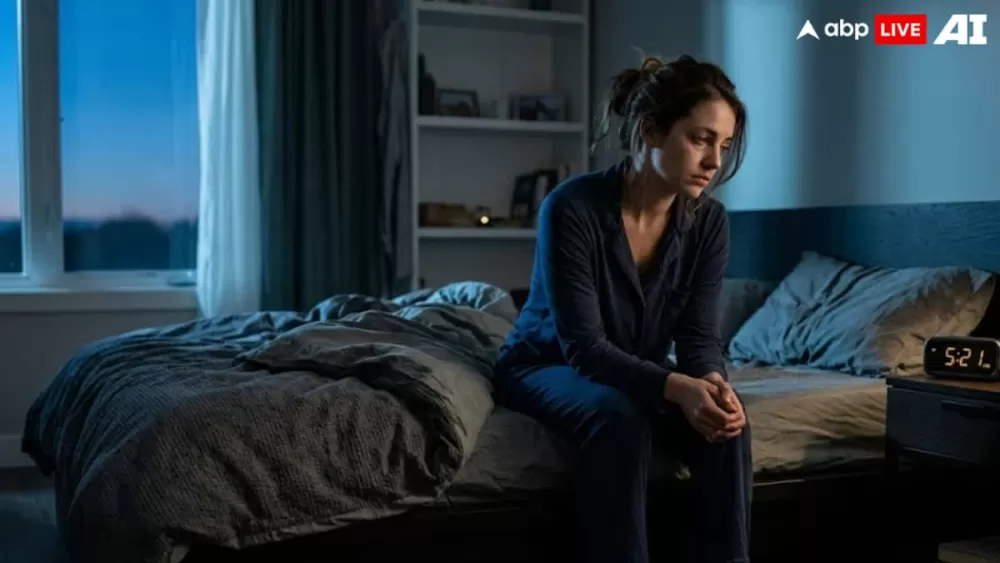
Researchers uncover a depression subtype linked to the body’s internal clock, shedding light on why some patients sleep more, feel exhausted and don’t respond well to typical antidepressants.
A recent Australian genetic study identifies “circadian depression,” affecting about a quarter of severe‑case patients. The subtype is marked by prolonged sleep, early‑onset mood swings and poorer response to standard SSRIs, but may improve with melatonin, light therapy and other clock‑focused treatments.
Imagine waking up after a long night of sleep feeling as if you hadn’t rested at all, only to find that the mood clouds that follow are deeper and last longer than usual. That’s the everyday reality for people the researchers now call sufferers of “circadian depression,” a distinct form of depression that seems to march to the beat of our internal 24‑hour clock.
The discovery comes from a massive genetic and clinical analysis of more than 10,000 Australians who took part in the Australian Genetics of Depression Study. About one‑quarter of those with severe, recurrent or persistent depression showed a pattern that matched this new subtype, says first author Emiliana Tonini of the University of Sydney’s Brain and Mind Centre.
What sets circadian depression apart? For starters, the timing of symptoms is oddly linked to the body’s sleep‑wake rhythm. Affected individuals tend to sleep longer during depressive episodes, wake up feeling drained, and often stay up later than they normally would. The condition also appears to ebb and flow with the seasons—think of the classic “winter blues” but on steroids.
Interestingly, the usual go‑to medications—SSRIs and SNRIs that boost serotonin—don’t seem to work as well for this group. The study, published in the British Journal of Psychiatry, suggests that because the root of the problem is tied to the circadian system, therapies that directly target that system—melatonin supplements, melatonin‑acting antidepressants, or even timed bright‑light exposure—might be far more effective.
Beyond mood, the researchers noticed that people with circadian depression tended to develop the illness earlier in life and exhibited more severe clinical features, such as heightened manic episodes and increased suicidal thoughts. There were also clues pointing to a higher genetic predisposition for inflammation, heart‑related issues, and even neurodevelopmental disorders like ADHD.
All of this adds up to a clearer picture: depression isn’t one‑size‑fits‑all. By teasing apart subtypes like circadian depression, clinicians can start thinking about “personalised” treatment plans—getting the right therapy to the right person sooner, rather than cycling through medications that may never fully work.
Of course, the findings are still early days. While the data are promising, further trials will be needed to confirm the best ways to harness light, melatonin or other clock‑targeted strategies for those struggling with this particular form of depression.
Editorial note: Nishadil may use AI assistance for news drafting and formatting. Readers can report issues from this page, and material corrections are reviewed under our editorial standards.