Chicago's Budget Brawl: Aldermen Push Back on Mayor Johnson's Spending Plan
- Nishadil
- December 03, 2025
- 0 Comments
- 5 minutes read
- 65 Views
- Save
- Follow Topic

Aldermen Urge Alternatives as Mayor Johnson's 2025 Budget Raises Fiscal Eyebrows
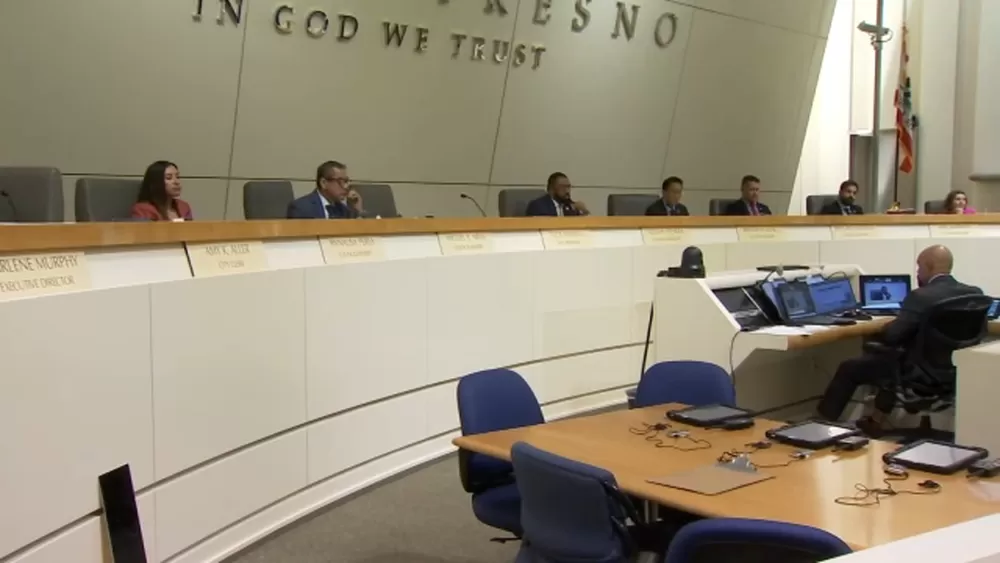
Chicago's City Council is buzzing with discontent over Mayor Brandon Johnson's proposed 2025 budget, with aldermen feeling sidelined and warning of future financial woes.
Ah, budget season in Chicago. It’s a perennial ritual, isn't it? But this year, it feels like there’s a distinct chill in the air, a growing rumble of discontent from within the very chambers of the City Council. Mayor Brandon Johnson has laid out his vision for the city’s financial blueprint for 2025, a rather hefty $16.77 billion proposal. And while that number alone is enough to make anyone pause, it’s not just the scale that’s causing consternation; it’s the manner in which it’s being presented, and perhaps more crucially, how it seems to rely on some rather creative, and dare I say, temporary fiscal fixes.
You see, the core of the friction boils down to a fundamental issue: transparency and collaboration. Many aldermen, those representatives who live and breathe their wards’ realities, are feeling sidelined. They’re expressing genuine frustration – and who can blame them? – that they aren’t being given adequate time or sufficient detailed information to truly dissect the budget, let alone propose thoughtful alternatives. This isn't just a formality; it’s about responsible governance, about ensuring every dollar spent truly serves Chicagoans. It’s one thing to present a plan, quite another to spring it on elected officials and expect a rubber stamp without proper scrutiny.
The criticism, it must be noted, isn't coming from just one corner. Voices like Alderman Anthony Beale from the 9th Ward, a seasoned veteran, have been quite vocal, pointing out a concerning reliance on what he terms "one-time revenues." It's a bit like patching a leaky roof with duct tape; it might hold for a season, but the structural problem remains. Other aldermen, including Marty Quinn from the 13th Ward and Scott Waguespack of the 32nd, echo similar sentiments. They're wary of the administration's financial "sleight of hand," which seems to magically avoid a direct property tax hike by instead leaning on various fees, fines, and the rather bold move of selling off city assets. While no one wants a property tax increase, is swapping one burden for another, or depleting long-term assets, truly a sustainable solution?
Indeed, this approach creates a very real risk for Chicago's future. By patching budget holes with temporary fixes, we're essentially kicking the can down the road, leaving future administrations – and more importantly, future generations of Chicagoans – to grapple with even larger deficits. It's not just about the numbers on a spreadsheet; it's about the services that could be cut, the infrastructure that could crumble, and the overall stability of our beloved city. The short-term political win of avoiding a property tax increase could easily morph into a long-term fiscal nightmare, and that's a prospect that should worry us all.
So, what’s an alderman to do? It’s tempting to simply voice dissent, to stand up and say "no," and certainly, that’s part of their job. But the true power, the real opportunity to effect change, lies in offering a credible alternative. As this editorial wisely suggests, aldermen have a golden opportunity right now: to craft and present their own comprehensive budget proposals. Imagine the impact! This isn’t just about complaining; it’s about leading. It's about demonstrating that there are other, perhaps more sustainable, paths forward.
Such a move would not only highlight the perceived flaws and vulnerabilities in Mayor Johnson’s current proposal, but it would also serve as a powerful teaching moment, a blueprint for different possibilities. It would force a deeper, more constructive debate, pushing beyond simple opposition to genuine problem-solving. By outlining where they believe cuts could be made, where revenues could be responsibly generated, and how city services could be better prioritized, aldermen could genuinely shape the conversation and steer Chicago towards a more stable financial horizon. This is, after all, their role – to represent their constituents' best interests, and that includes ensuring a financially sound city.
The clock is ticking, with the budget typically needing approval by year's end. This isn't just an accounting exercise; it's a profound statement about Chicago’s values and its future. The ball, in many ways, is now in the City Council’s court. Will they merely object, or will they seize this moment to propose a truly sustainable, transparent, and collaborative financial plan for our city? For the sake of every Chicagoan, let’s hope they choose the latter.
Editorial note: Nishadil may use AI assistance for news drafting and formatting. Readers can report issues from this page, and material corrections are reviewed under our editorial standards.