
Checking In, Checking Out: The Quiet Revolution of Travel Security at Hampton Inn
- Nishadil
- January 07, 2026
- 0 Comments
- 4 minutes read
- 63 Views
- Save
- Follow Topic
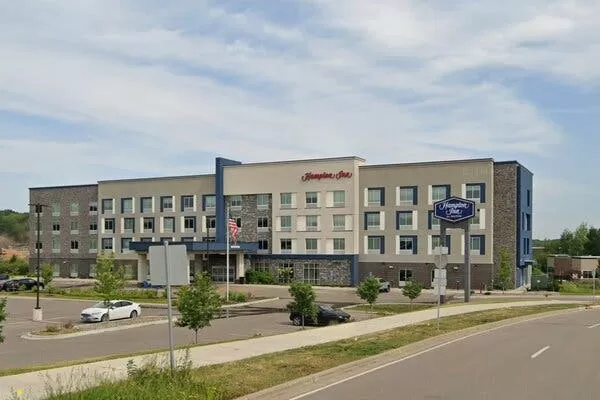
Hilton's Hampton Inn Navigates Evolving DHS Security Protocols
New federal security measures are subtly reshaping the guest experience at popular hotel chains like Hampton Inn, sparking conversations about privacy and the evolving landscape of travel.
You know, there’s just something about checking into a Hampton Inn, isn't there? That reliable, friendly welcome, the promise of a clean room, maybe even a warm cookie. It’s a familiar comfort for millions of travelers, a true cornerstone of the American hospitality scene. But beneath that reassuring veneer, a quiet yet profound shift has been underway, particularly as the Department of Homeland Security (DHS) continues to refine its approach to national security and border integrity. And yes, it’s reaching right into your hotel stay.
It seems the days of simply handing over an ID and signing a quick form are, well, evolving. While Hilton, the parent company of Hampton Inn, has always prioritized guest safety – that’s a given, naturally – their collaboration with federal agencies, particularly DHS, has seen a noticeable uptick in recent years. We’re not talking about anything overtly dramatic, mind you; it’s more nuanced, a series of enhanced protocols and data-sharing agreements designed, we’re told, to create a more secure travel ecosystem.
So, what does this actually mean for you, the everyday traveler? Well, it might involve slightly more rigorous identification checks at the front desk. Perhaps a heightened awareness among staff, trained to spot unusual activity – things that, to be honest, they’ve always been encouraged to do, but now with a more direct line to federal guidance. It's about blending security with seamless service, a delicate balancing act that hotels are continuously trying to perfect. Imagine, for a moment, a frontline desk clerk who's not just checking you in but also subtly playing a role in national security – quite a thought, isn’t it?
Industry insiders, who prefer to remain unnamed given the sensitive nature of these partnerships, suggest that hotels like Hampton Inn are increasingly viewed as crucial touchpoints in a larger security network. With thousands of locations across the country, often strategically located near major transit hubs or borders, they become vital eyes and ears. It’s not about turning hotels into surveillance centers, no, absolutely not. Instead, it’s about leveraging existing infrastructure to support broader security objectives, all while maintaining that essential sense of privacy and comfort that travelers expect.
Hilton, for its part, has consistently emphasized its commitment to both guest privacy and national security. They're trying to walk that very fine line. A recent internal memo, glimpsed by sources close to the situation, highlighted ongoing training for team members focusing on recognizing potential red flags without, crucially, infringing on guest rights or creating an unwelcoming atmosphere. It’s a challenge, to say the least, to be vigilant without being intrusive.
Of course, this isn’t just a Hampton Inn phenomenon. The entire hospitality sector is grappling with similar expectations. But given Hampton Inn's widespread appeal and consistent presence in so many communities, its adaptations serve as a sort of bellwether for the rest of the industry. The discussions around data sharing, anonymized trend analysis, and collaborative threat assessment are becoming commonplace in executive boardrooms across the hospitality landscape.
Ultimately, for us, the travelers, these changes might manifest as slightly longer check-in times, a renewed emphasis on valid identification, or perhaps just a general feeling that our information is being handled with a bit more… care. It's a trade-off, perhaps, between convenience and security in an increasingly complex world. As we look ahead, one thing is clear: the future of travel will continue to be a fascinating blend of familiar comforts and evolving security realities, even at our beloved Hampton Inn.
- UnitedStatesOfAmerica
- News
- Tourism
- TourismNews
- IllegalImmigration
- NationalSecurity
- TravelAndVacations
- TravelSecurity
- HotelsAndTravelLodgings
- ReservationsAirlinesHotelsEtc
- HotelIndustry
- MinneapolisMinn
- HomelandSecurityDepartment
- TravelRegulations
- FederalOversight
- Hilton
- HospitalityTrends
- GuestPrivacy
- HiltonWorldwideHoldingsInc
- DhsProtocols
- HamptonInn
Editorial note: Nishadil may use AI assistance for news drafting and formatting. Readers can report issues from this page, and material corrections are reviewed under our editorial standards.












