Chandigarh University Engineers a Pocket‑Sized, Low‑Cost Smart Pyranometer for Precision Farming
- Nishadil
- May 26, 2026
- 0 Comments
- 3 minutes read
- 25 Views
- Save
- Follow Topic

Students create affordable solar‑radiation sensor to boost Indian agriculture
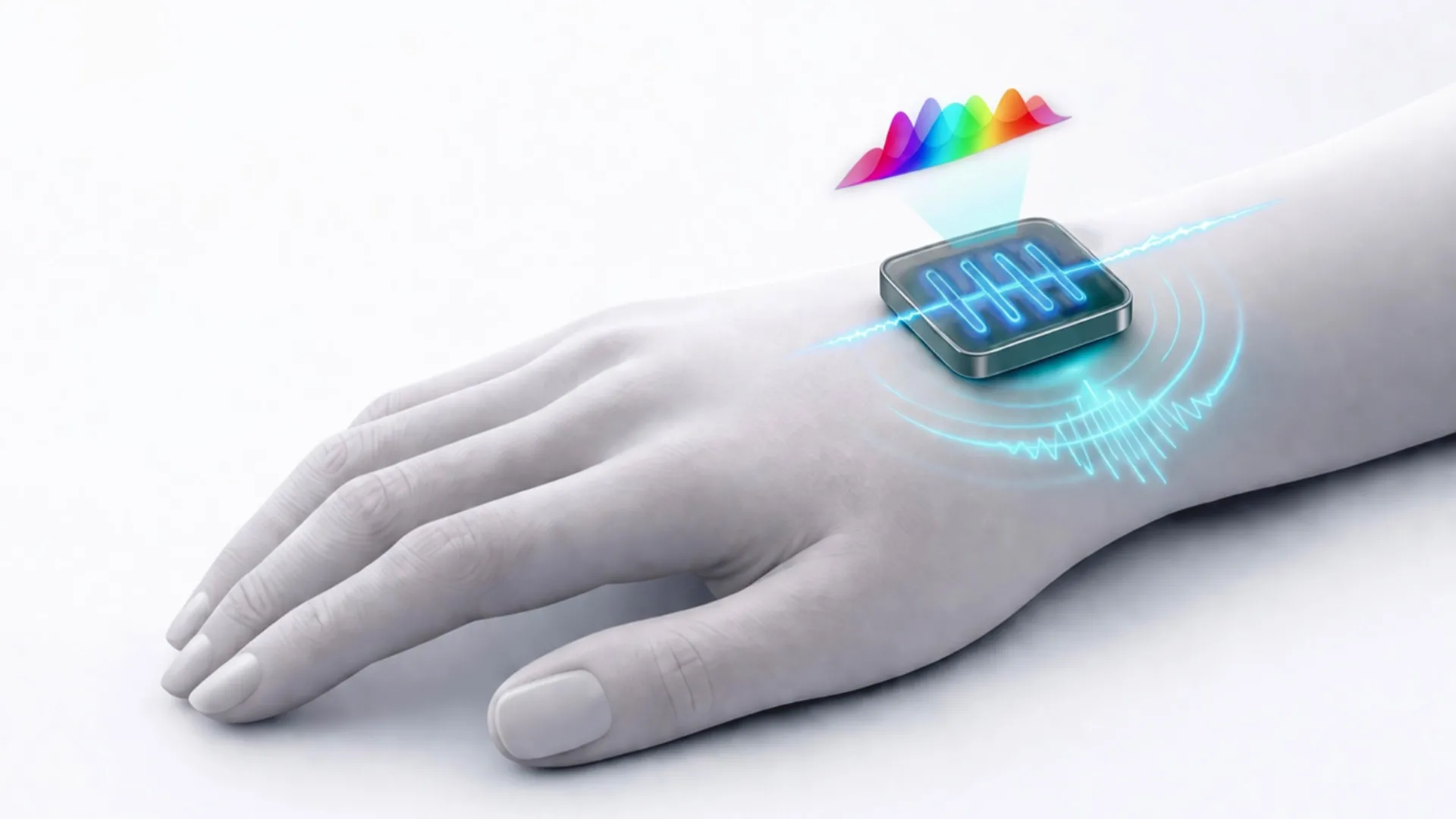
A team of Chandigarh University undergraduates, guided by faculty, has built a cheap, IoT‑enabled pyranometer that measures solar radiation in real time, aiming to help farmers adopt precision agriculture practices.
When you walk into the labs of Chandigarh University’s Department of Electronics and Communication Engineering, you’ll hear a mixture of chatter, the hum of 3‑D printers, and the occasional “Eureka!” from a group of students huddled over a breadboard. It’s here that a modest‑sized prototype—no larger than a paperback book—has taken shape: a smart pyranometer designed to monitor solar radiation without burning a hole in a farmer’s pocket.
The idea sprouted during a seminar on sustainable agriculture, where the speakers kept emphasizing that Indian farmers still lack affordable, reliable data on sunlight intensity. “Most commercial pyranometers cost thousands of rupees and need specialised installation,” explains Rohan Sharma, the project lead. “We thought, why not build something that’s cheap, easy to set up, and can talk to a farmer’s phone?”
Armed with that question, the four‑member team—Rohan, Priyanka Singh, Karan Mehta and Ananya Rao—set out to combine off‑the‑shelf components: a silicon photodiode, a low‑power microcontroller (an Arduino Nano), and a simple Wi‑Fi module. The hardware is housed in a weather‑proof enclosure made from recycled acrylic, keeping the cost under INR 2,500 (roughly $30). The device continuously records solar irradiance, converts it into digital values, and streams the data to a cloud server.
What makes the sensor “smart” isn’t just its connectivity; it’s the tiny algorithm the students wrote to filter out noise, calibrate against a reference instrument, and generate actionable insights. Through a companion mobile app—currently in beta—farmers can see real‑time graphs, receive alerts when sunlight drops below optimal thresholds, and even get recommendations on irrigation timing. In field trials on a nearby dairy farm, the prototype helped the farmer adjust shading nets, resulting in a 12% increase in milk yield over a month, according to preliminary observations.
The project received mentorship from Prof. Amit Kumar, who stressed the importance of validation. “We ran the pyranometer alongside a certified sensor for two weeks,” he notes. “The correlation was above 95%, which is impressive given the price gap.” The team also secured a modest grant from the university’s Innovation and Incubation Cell, covering the cost of 3‑D printing the housing and setting up the cloud infrastructure.
Looking ahead, the students plan to refine the design, possibly integrating a solar panel for self‑charging, and to scale production through a partnership with a local agri‑tech startup. Their ultimate goal? To democratise access to solar data so that even smallholder farmers can adopt precision farming practices without breaking the bank.
In a country where agriculture employs over 50% of the workforce, such low‑cost, technology‑driven solutions could be a game‑changer. As Rohan puts it, “If a farmer can see how much sun his crops are getting on his phone, that’s a step toward smarter, more resilient farming.”
- India
- News
- Science
- ScienceNews
- Astronomy
- SolarEnergy
- SpaceScience
- Meteorology
- EnvironmentalMonitoring
- PrecisionAgriculture
- AiIntegration
- RadiationMonitoring
- AffordableTechnology
- PrecisionFarming
- SolarResearch
- Prnewswire
- AdvertorialDisclaimer
- AgriTechInnovation
- LowCostSensor
- IotAgriculture
- ChandigarhUniversity
- CostEffectivePyranometer
- SolarMeasurement
- SmartPyranometer
- GreenhouseAutomation
- SolarRadiationMonitoring
- FarmersApp
- SolarIrradianceSensor
Editorial note: Nishadil may use AI assistance for news drafting and formatting. Readers can report issues from this page, and material corrections are reviewed under our editorial standards.