Biotech Betrayal? Beam Therapeutics Sues Former Scientist and Global Rivals Over Alleged IP Theft
- Nishadil
- September 30, 2026
- 0 Comments
- 4 minutes read
- 3 Views
- Save
- Follow Topic
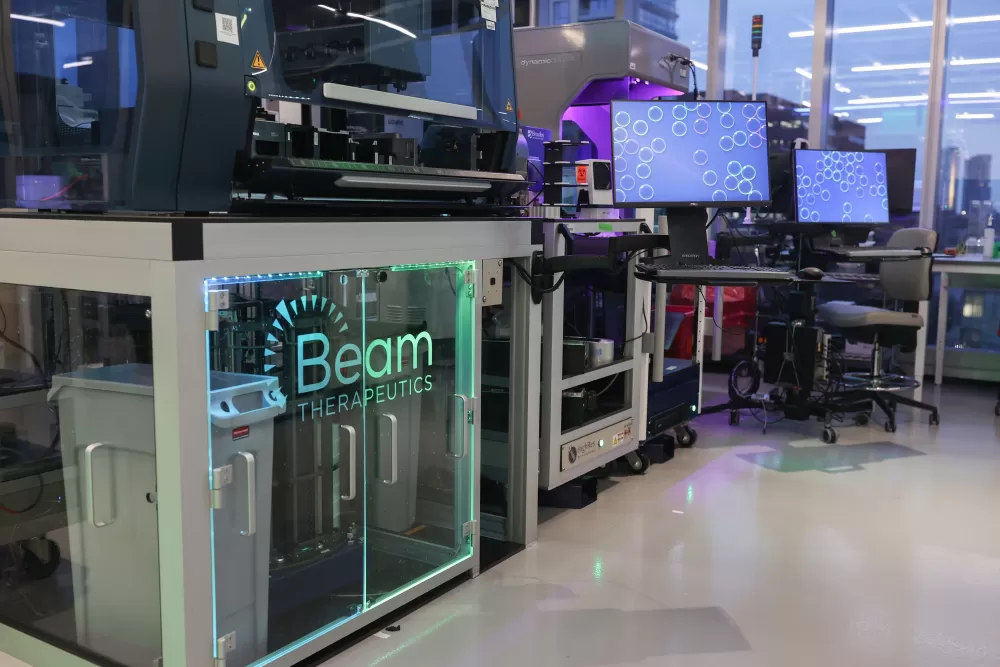
Cambridge's Beam Therapeutics Alleges Former Scientist Stole IP to Found Chinese Rival, YolTech, and Partner Serapha Bio
A fierce legal battle has erupted as Cambridge-based Beam Therapeutics files a lawsuit, accusing a former scientist of illicitly founding a Chinese rival, YolTech Therapeutics, and its US partner, Serapha Bio, using stolen intellectual property.
There’s quite a buzz stirring in the usually groundbreaking yet often quietly focused world of biotechnology, and it's not about a new scientific discovery – at least, not in the way you might think. Instead, a rather intense legal battle has just kicked off, pitting a prominent Cambridge, Massachusetts-based company, Beam Therapeutics, against a surprising cast of characters. They're alleging nothing less than a calculated betrayal of trust and the outright theft of invaluable intellectual property. It’s a serious accusation, one that could send ripples far beyond the courtrooms.
The plaintiff in this high-stakes drama, Beam Therapeutics, recently filed its complaint in the U.S. District Court in Massachusetts. Their targets? A Chinese biotechnology firm called YolTech Therapeutics, headquartered all the way in Shanghai, and its American partner, Serapha Bio, which has operations in New York and San Diego. But the plot thickens considerably with the inclusion of two individuals: Dr. Zi Jun “Emma” Wang and Dr. Yuxuan “Jensen” Wu. Dr. Wang, in particular, is central to Beam’s claims, having once been a scientist right there at Beam Therapeutics.
So, what exactly is Beam alleging? Well, it reads almost like a corporate thriller. Beam claims that Dr. Wang, while still very much employed as one of their scientists, secretly laid the groundwork for YolTech Therapeutics. Imagine working for a company, privy to its cutting-edge research, and simultaneously founding a competitor. Beam’s lawsuit suggests that this clandestine operation began around July 2021, while Wang was still on their payroll. She only left Beam in January 2022. Just five months later, in June 2022, YolTech Therapeutics filed a patent application in China, which Beam contends is built directly upon the intellectual property developed during Wang’s time with them. It’s a classic tale of alleged inside knowledge being exploited, if Beam’s account holds true.
And where does Serapha Bio fit into all this? Launched in June 2026, Serapha is portrayed as YolTech's U.S. partner. Initially, Dr. Wang was even announced as Serapha's interim Chief Technology Officer. Talk about a public face for a company allegedly founded on stolen secrets! However, in a rather telling move that Beam highlights, her name has since been scrubbed from the websites of both YolTech and Serapha. It's almost as if someone tried to erase a trail. Dr. Wu, on the other hand, is identified as a co-founder and CEO of YolTech, though his direct connection to Beam isn't as central to these particular allegations.
For a company like Beam, which is at the forefront of gene-editing technologies, intellectual property isn't just a legal term; it's their lifeblood. Protecting these innovations, which represent years of incredibly expensive research and development, is paramount. Shiva Fritsche, Serapha’s chief corporate affairs officer, has already issued a firm statement, categorically refuting Beam's claims and vowing a vigorous defense. That’s to be expected, of course. YolTech, for its part, has remained conspicuously silent, at least according to reports at the time the lawsuit became public. It leaves one wondering what their response might eventually be.
This lawsuit isn't just another legal squabble; it underscores the intense competition and often cutthroat environment within the global biotechnology sector, especially when it comes to groundbreaking areas like gene editing. The allegations paint a picture of deliberate deceit and a bold attempt to leverage proprietary knowledge for competitive advantage across international borders. As this case unfolds in a Massachusetts courtroom, the biotech community will undoubtedly be watching closely, mindful of the implications for intellectual property protection and the integrity of scientific innovation. It's a reminder that sometimes, the most dramatic breakthroughs come with equally dramatic battles behind the scenes.
Editorial note: Nishadil may use AI assistance for news drafting and formatting. Readers can report issues from this page, and material corrections are reviewed under our editorial standards.