
Beyond XX and XY: Navigating the Thorny Terrain of Sex, Identity, and Fairness in Sports
- Nishadil
- April 05, 2026
- 0 Comments
- 4 minutes read
- 21 Views
- Save
- Follow Topic
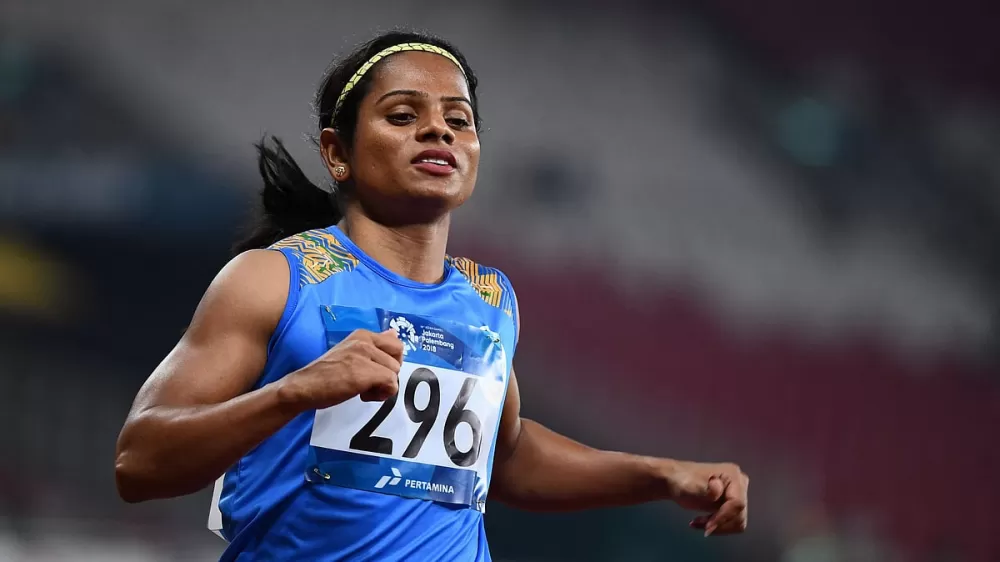
The Great Divide: Unpacking Eligibility, Identity, and the Future of Women's Sports
The world of sports is grappling with one of its most profound challenges yet: how to define eligibility in a way that respects identity, ensures fairness, and acknowledges the complex biological spectrum beyond simple XX/XY categories. It's a conversation fraught with emotion and scientific nuance.
The roar of the crowd, the thrill of competition – sports are meant to be a celebration of human potential, right? But lately, a deep, sometimes unsettling, conversation has been brewing, especially in women's categories. It's no longer just about who runs fastest or jumps highest; we're really wrestling with something much more fundamental: what does it mean to be eligible, what role does identity play, and how on earth do we keep things fair when biology itself isn't always a neat, tidy package?
For the longest time, the line seemed clear, didn't it? Men's sports, women's sports – a seemingly straightforward XX versus XY chromosomal divide. And let's be honest, for the vast majority, this genetic blueprint leads to distinct physiological differences, especially post-puberty. Higher average testosterone levels in males lead to greater muscle mass, bone density, and aerobic capacity, creating, for want of a better word, a natural athletic advantage in many disciplines. This foundational understanding has been the bedrock of sex-segregated sports for decades.
But life, as we know, rarely fits into such neat boxes. Enter the complexities: transgender women athletes, who identify as women but were assigned male at birth and went through male puberty. Then there are individuals with Differences in Sex Development (DSDs), whose biological characteristics don't align perfectly with typical XX or XY patterns. Think of athletes like Caster Semenya, whose incredible talent led to years of scrutiny and regulations focused solely on her naturally elevated testosterone levels. These cases challenge our preconceived notions and force us to look beyond simplistic definitions.
The core dilemma for sports governing bodies, and indeed for society, is how to balance inclusion with the integrity of women's sport. On one side, there's a powerful and legitimate argument for fairness: if the biological advantages conferred by male puberty aren't sufficiently mitigated, some argue, it fundamentally undermines the very concept of women's sports, potentially pushing cisgender women out of top competitive spots. This isn't about animosity; it's often a deep-seated concern for preserving equitable opportunities for those born female.
On the other side, and equally valid, is the deeply human desire for inclusion and respect for identity. Athletes are people, with journeys, dreams, and a fundamental right to participate where they feel they belong. Excluding individuals based on their identity or inherent biological variations, when those variations don't neatly fit our historical understanding, feels profoundly unfair and can cause immense personal distress. Who gets to decide who is "woman enough" to compete in women's sports? It's a heavy question.
We've seen various attempts at solutions, usually centered around testosterone thresholds. World Athletics, for example, has strict rules for athletes with DSDs, often requiring medication to lower natural testosterone. For transgender women, many federations have also implemented similar, though sometimes varying, testosterone suppression requirements for a certain period. Yet, even these measures are fiercely debated. Do they truly erase all competitive advantage? Are they discriminatory? Do they infringe on human rights? It's a legal, ethical, and scientific minefield.
Honestly, there are no easy answers here. The science itself is still evolving, and human identity is, by its very nature, incredibly personal and multifaceted. This isn't a problem with a simple 'yes' or 'no' solution. What's clear, though, is that the conversation needs to continue, with empathy, respect, and a willingness to understand multiple perspectives. We need to look for nuanced pathways forward that uphold the spirit of fair competition while also embracing the full spectrum of human identity and biological diversity. It's a tall order, but one that sports, and society, absolutely must tackle.
- India
- News
- Politics
- PoliticsNews
- OlympicGames
- DsdAthletes
- SportsPolicy
- FairCompetition
- FemaleAthletes
- TransgenderAthletes
- BiologicalSex
- SportsEligibility
- InclusionInSports
- TestosteroneRules
- TransWomen
- TestosteroneLevels
- GenderIdentityInSports
- SexDevelopment
- XxFemaleAthletes
- IocPolicy
- SexDeterminationTest
- ChromosomalDivide
- IocEligibilityRules
- WomenSSportsFuture
- BiologicalSexInSports
Editorial note: Nishadil may use AI assistance for news drafting and formatting. Readers can report issues from this page, and material corrections are reviewed under our editorial standards.


