Beyond the Stone: The Unseen Struggles of America's Monument Makers
- Nishadil
- December 01, 2025
- 0 Comments
- 3 minutes read
- 63 Views
- Save
- Follow Topic

America's Gravestone Artisans Grapple with Rising Costs and Changing Traditions
Explore how U.S. monument makers are fighting steep tariffs on essential granite imports and the growing trend of cremation, threatening an age-old industry built on remembrance.
Ever stopped to truly consider the quiet strength of a gravestone? It's more than just a piece of stone; it's a marker of life, a testament to memory, and a final farewell. Behind each enduring monument lies a skilled, often multi-generational, industry of artisans and businesses. Yet, this steadfast world of monument making in America is currently facing an existential crossroads, squeezed by a powerful combination of rising tariffs on vital raw materials and a profound shift in how we choose to remember our loved ones.
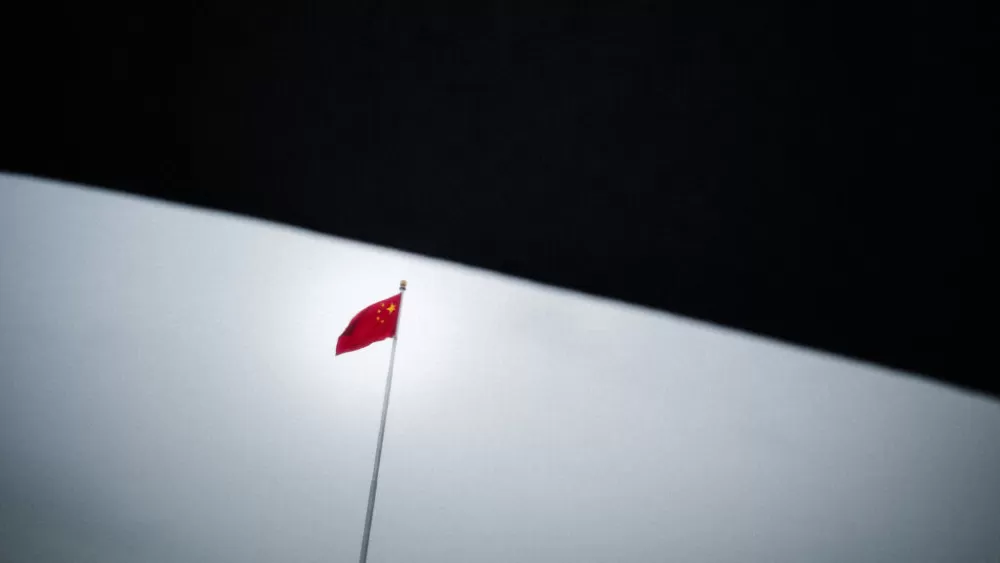
One of the most immediate and impactful challenges stems directly from trade policy. We’re talking about the tariffs on imported granite, particularly from China. Now, you might wonder, why Chinese granite for an American gravestone? Well, it's a peculiar twist: while the intricate carving, polishing, and finishing often happen right here in the U.S. – earning that cherished 'Made in America' label – the vast majority of the raw, quarried stone itself frequently originates overseas. For these small, often family-run enterprises, the tariffs translate into significantly higher costs. It's not just a marginal increase; it’s a substantial jump that eats into already tight margins, making it incredibly difficult to stay competitive without passing the burden onto grieving families. And honestly, who wants to do that?
Adding another layer of complexity, and arguably a more long-term shift, is the ever-growing trend towards cremation. For generations, traditional burial with a grand headstone was the prevailing custom. But in recent decades, cremation has steadily gained popularity, surpassing traditional burials in many areas. For many families, it simply makes sense – it can be more cost-effective, offers greater flexibility for memorial services, and fits a more mobile, less land-tied lifestyle. The emotional connection remains, of course, but the physical manifestation of remembrance often shifts from a large, personalized monument to an urn, a memorial plaque, or perhaps even scattering ashes in a cherished location. This fundamental change in societal preference directly reduces the demand for the very products monument makers specialize in.
So, imagine running a business where the cost of your primary raw material has skyrocketed due to government policy, while simultaneously, the overall market for your finished product is shrinking because of evolving cultural norms. It's a tough tightrope walk, isn't it? These businesses aren't just selling stone; they're helping families through some of life's most difficult moments, crafting enduring symbols of love and loss. Each decision carries weight, both financial and emotional.
What's the path forward for these dedicated artisans? It's about resilience, really, and perhaps a touch of innovation. Some are exploring alternative materials, others are trying to source granite from different countries, albeit often at higher prices and with new logistical headaches. There's also an effort to adapt to the cremation trend, offering smaller plaques, cremation benches, or unique memorial options that still honor the deceased. But make no mistake, it’s a constant uphill battle to keep these vital, yet often overlooked, businesses afloat.
As we ponder the future, it’s worth remembering the profound service these monument makers provide. They are the quiet guardians of our collective memory, helping us etch our stories into stone for generations to come. The challenges they face – from economic pressures to changing social tides – are a poignant reminder that even the most enduring traditions require fierce dedication and adaptability to survive. The stakes, for these quiet guardians of memory, are profoundly human.
- Health
- UnitedStatesOfAmerica
- News
- HealthNews
- DonaldTrump
- Economy
- China
- SmallBusiness
- Markets
- StockMarkets
- Articles
- UnitedStates
- Trade
- UsManufacturing
- InvestmentStrategy
- Remembrance
- Cnbc
- BreakingNewsMarkets
- DonaldJTrump
- BreakingNewsInvesting
- SourceTagnameCnbcUsSource
- Memorials
- SmallBusinessChallenges
- GravestoneIndustry
- MonumentMakers
- GraniteTariffs
- CremationTrend
- BurialTraditions
Editorial note: Nishadil may use AI assistance for news drafting and formatting. Readers can report issues from this page, and material corrections are reviewed under our editorial standards.