
Beyond the Sidelines: How National Politics Cast Long Shadows on College Football Programs Like the Oregon Ducks
- Nishadil
- April 05, 2026
- 0 Comments
- 4 minutes read
- 27 Views
- Save
- Follow Topic
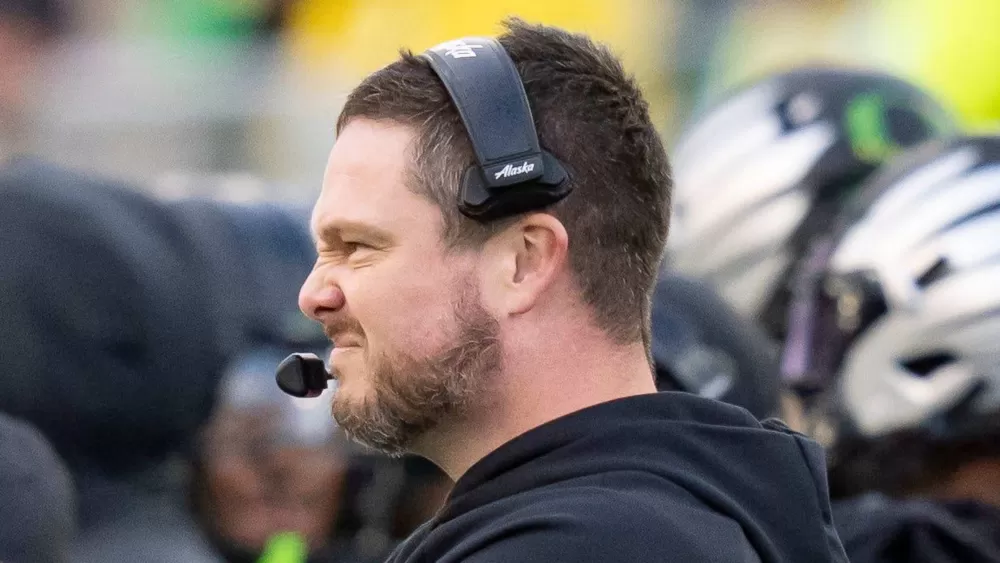
When Washington's Decisions Ripple to Autzen: The Unexpected Interplay with Oregon Football
It might seem like worlds apart, but even federal policies can subtly, yet significantly, influence the complex landscape of college football, impacting programs like the Oregon Ducks under Coach Dan Lanning.
It’s funny, isn’t it, how seemingly disparate worlds can sometimes collide in the most unexpected ways? You might think national politics, particularly something as specific as a past presidential executive order, would have absolutely nothing to do with college football. Yet, when you dig a little deeper, the truth is often far more nuanced. The intricate web of our society means that a decision made in Washington D.C. can, in its own subtle and sometimes quite direct fashion, send ripples all the way to Autzen Stadium, potentially affecting a program like the Oregon Ducks.
Now, I know what you’re probably thinking: which executive order? And how exactly? It's not like a president is signing legislation about the transfer portal or NIL deals, right? And you’d be largely correct in that assumption. However, federal policies, especially those enacted by past administrations, can indeed create an environment that impacts everything from international student enrollment to a university’s broader economic standing, or even the general sentiment among potential student-athletes and their families. Think about, say, immigration policies or travel restrictions. While perhaps not aimed at football, they absolutely could affect the pool of talent available for recruitment, or complicate the lives of international players already on campus. It’s a bit of a stretch to draw a straight line sometimes, I'll admit, but the connections are there if you're willing to look beyond the obvious.
Consider the broader landscape of college football itself. It’s a living, breathing ecosystem, incredibly sensitive to external pressures. We've seen massive shifts with Name, Image, and Likeness (NIL) and the ever-churning transfer portal, fundamentally altering how programs build and maintain their rosters. In such a dynamic environment, even seemingly minor shifts in the national mood or regulatory framework can be amplified. These aren't just athletes; they're students, young people navigating a complex world, and their decisions about where to play, or even if to play, are influenced by far more than just what happens on the field. It’s truly a delicate balance, you know?
For a coach like Dan Lanning at Oregon, who stepped into an era defined by constant change and fluidity, navigating these external currents is just another part of the job description. It’s not simply about Xs and Os anymore. It’s about building a culture that's resilient to societal shifts, understanding the broader geopolitical context, and being agile enough to adapt recruiting strategies or player support systems based on factors far beyond the football field. He’s got to be a leader, a manager, a psychologist, and, yes, perhaps even a bit of a futurist, anticipating how the world outside the locker room might influence his team. It's an immense challenge, really.
Ultimately, the story of how a national executive order could affect a college football powerhouse like the Oregon Ducks isn't necessarily about a direct hit. Instead, it’s a powerful reminder of just how interconnected everything truly is. The political climate, economic policies, societal norms – they all create the backdrop against which these young athletes make their life-altering decisions. So, while you might not see a direct legislative link between a presidential decree and a Saturday afternoon game, trust me, the echoes of such decisions can often be heard, however faintly, bouncing off the stadium walls. It’s a testament to the fact that in today’s world, no institution, not even beloved college football, exists in a vacuum. It truly is a fascinating, if sometimes perplexing, reality.
- Sports
- UnitedStatesOfAmerica
- News
- SportsNews
- DonaldTrump
- NationalPolitics
- Oregon
- CollegeFootball
- OregonDucks
- Ducks
- Recruiting
- BigTen
- Nil
- DanLanning
- BigTenConference
- ExecutiveOrder
- OregonDucksFootball
- TransferPortal
- StudentAthletes
- BigTenFootball
- NilDeal
- OregonFootball
- NilEvaluation
- NilMoney
- IndirectImpact
Editorial note: Nishadil may use AI assistance for news drafting and formatting. Readers can report issues from this page, and material corrections are reviewed under our editorial standards.













