Bethlehem Officer Sean Reifel’s Reality‑TV Appearance Sparks Community Debate
- Nishadil
- May 31, 2026
- 0 Comments
- 4 minutes read
- 22 Views
- Save
- Follow Topic

Mayor Calls Out Police Officer After ‘Love Island USA’ Cameo Raises Ethical Questions
Bethlehem police officer Sean Reifel appeared on the reality series “Love Island USA,” prompting the city’s mayor to voice disappointment and spark a conversation about professionalism and public perception.
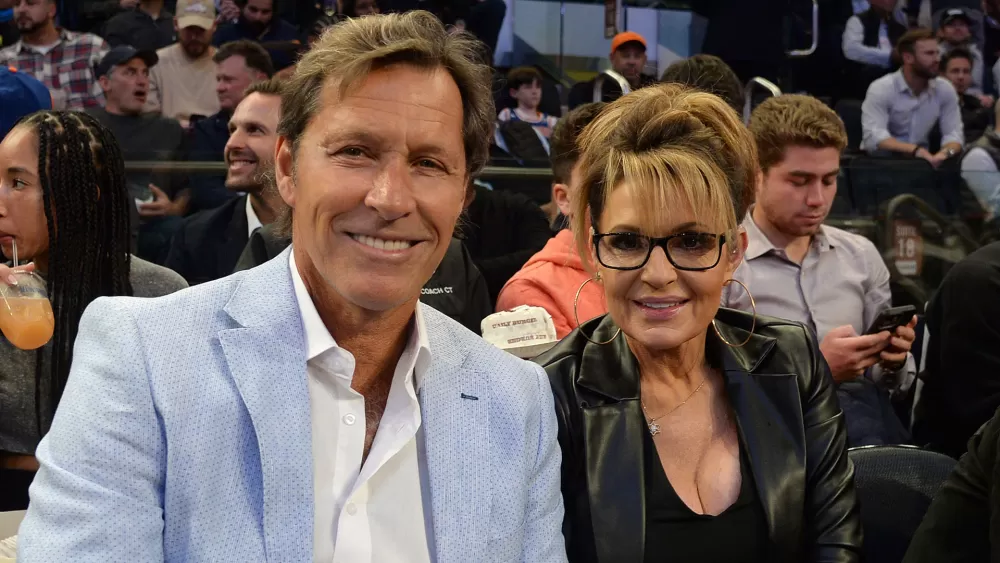
When Officer Sean Reifel of the Bethlehem Police Department was spotted on a recent episode of “Love Island USA,” it was a surprise that rippled through the town like a sudden gust of wind on a quiet evening. For most residents, Reifel has been the friendly face behind the badge—handing out traffic tickets, patrolling the downtown area, and occasionally sharing a laugh at community events. Seeing him lounging by a pool, sipping a drink, and chatting with contestants was, frankly, jarring.
It wasn’t just the contrast between police duty and reality‑TV glamour that got people talking. The mayor of Bethlehem, Laura Thompson, took to social media within hours of the episode’s airing, posting a short but pointed statement: “While we respect every citizen’s right to enjoy personal time, our officers are representatives of the community. Participation in a program that emphasizes drama and romance can blur the lines of professionalism we strive to maintain.” The comment quickly gathered likes, retweets, and a healthy dose of debate in the comment sections.
Reifel, who has served on the force for eight years, defended his decision by saying that the appearance was a one‑off, paid opportunity that didn’t interfere with his duties. “I’ve always believed in being transparent with the public,” he told the Bethlehem Gazette in an interview. “I didn’t think a brief, off‑duty appearance would cause a stir, but I understand the concerns now.” He added that the filming schedule was arranged around his shift work, ensuring no lapses in patrol coverage.
Critics argue that even off‑duty conduct can reflect on a department’s reputation, especially in an era where social media amplifies every misstep. “Police officers are held to a higher standard because they carry the trust of the community,” said community activist Maya Patel. “When an officer steps into the spotlight of a show that thrives on sensationalism, it can erode that trust, even if unintentionally.”
Supporters, however, see the situation differently. Some residents pointed out that officers are people too, with hobbies, families, and a right to occasional fun. “We’re not asking them to be robots,” remarked local business owner Tom Henderson. “If an officer can keep the streets safe and still enjoy a little personal exposure, why should that be a problem?”
The debate also brings up broader questions about departmental policies on off‑duty employment. Bethlehem Police currently allows officers to take on secondary jobs provided there is no conflict of interest and the work does not interfere with official duties. Yet, the policy does not explicitly address participation in entertainment media, leaving a gray area that this incident has highlighted.
In response, the police chief, Angela Martinez, announced a review of the existing guidelines. “We value our officers’ personal lives, but we also have to consider the image of the department,” she said in a press briefing. “Our next steps will involve consulting with legal counsel, community leaders, and the officers themselves to craft clearer standards.”
Mayor Thompson’s disappointment, while earnest, seemed to resonate more with a desire for dialogue than for punitive action. “My goal isn’t to single anyone out,” she clarified. “It’s to ensure we all understand how our choices—big or small—can affect the collective perception of public safety.” She also hinted at a town hall meeting scheduled for next month, inviting residents to voice thoughts on the matter.
For his part, Reifel plans to attend the meeting. He expressed a willingness to listen and adapt, noting, “If the community feels uneasy, I’m ready to discuss ways to keep our relationship strong.” He also pledged to donate a portion of any earnings from the show to local youth programs, a gesture meant to give back and perhaps soften the criticism.
As the conversation continues, one thing is clear: the intersection of law enforcement and popular culture is a delicate dance. Whether it’s a badge on a TV screen or a uniform on the street, the expectations placed on officers remain high. Bethlehem’s story may serve as a case study for other municipalities wrestling with similar dilemmas in the age of reality television and viral fame.
- Entertainment
- UnitedStatesOfAmerica
- News
- Politics
- EntertainmentNews
- LocalNews
- ThingsToDo
- CrimeAndPublicSafety
- Pennsylvania
- TvAndStreaming
- TopStoriesTmc
- PoliceEthics
- PublicTrust
- RealityTvControversy
- Bethlehem
- NorthamptonCounty
- LoveIslandUsa
- BethlehemArea
- CommunityPerception
- Easton
- OffDutyConduct
- EastonArea
- BethlehemPolice
- SeanReifel
- MayorLauraThompson
- LawEnforcementPolicies
Editorial note: Nishadil may use AI assistance for news drafting and formatting. Readers can report issues from this page, and material corrections are reviewed under our editorial standards.