Belgium’s Light‑Hearted Jab at Trump After U.S. Soccer’s World Cup Woes
- Nishadil
- July 08, 2026
- 0 Comments
- 4 minutes read
- 42 Views
- Save
- Follow Topic

Belgian Fans Mock Trump with a Dance After Team USA’s Humiliating Defeat
In a surprising mix of sport and politics, Belgian supporters riffed on former President Donald Trump by breaking into a quirky dance after the United States’ crushing loss in the 2026 World Cup.
When the final whistle blew on the United States’ 4‑0 drubbing at the hands of Belgium in the 2026 World Cup group stage, the disappointment was palpable—not just among the American players, but also among the millions watching the match on television. The American squad, once hailed as a rising power in soccer, looked more like a collection of bewildered tourists lost on a foreign pitch.
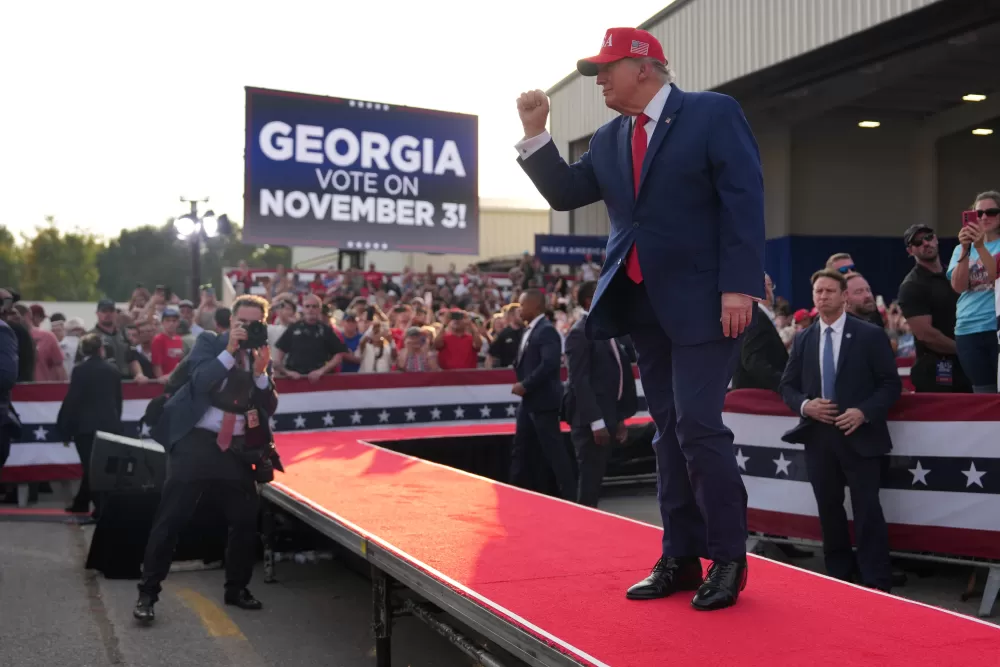
What caught the world’s attention, however, was not the scoreline itself but the way a handful of Belgian fans chose to celebrate—by staging a cheeky dance that seemed straight out of a political satire sketch, aimed squarely at former President Donald Trump.
It started innocently enough. A group of Belgians, clad in their national orange and black, gathered near the stadium’s fan zone. With a few whistles, they launched into a routine that combined a traditional Belgian folk step with exaggerated, over‑the‑top gestures reminiscent of Trump’s infamous “tremendous” hand motions. The crowd roared, phones were raised, and the video clip quickly went viral.
Why target Trump? The answer is part‑politics, part‑pop culture. Though he is no longer in the White House, Donald Trump’s name still echoes in the media whenever U.S. sports teams underperform. In recent years he’s been both a self‑appointed “sports pundit” and a vocal critic of the nation’s soccer ambitions, often dismissing the sport as “just a game for lazy people.”
Belgian supporters, aware of the meme‑fuel potential, seized the moment. One on‑the‑spot commentator joked, “If they want to see a ‘huge’ dance, they got it—just like the ‘huge’ promises from Trump.” The phrase quickly caught on, spawning hashtags like #TrumpDance and #BelgianBoots across Twitter and TikTok.
The dance itself was a patchwork of moves: a quick hop on one foot (a nod to the famous Belgian hop‑step), a dramatic arm‑flail mimicking Trump’s signature pointing, and a final freeze where the dancer pretended to sign an imaginary executive order. The choreography was simple enough for anyone to copy, and within hours, dozens of fans from other nations—some even from the United States—had uploaded their own versions.
For many Americans, the spectacle was a sting of embarrassment. “We’re trying to build a soccer culture, and now we’re the punchline of a political joke,” sighed one fan in a post‑game interview. Others took it with a grain of humor, replying, “If you can’t beat them on the field, you can at least make them dance.” The duality of these reactions highlighted the complex relationship Americans have with both soccer and Trump.
Belgium, meanwhile, basked in the after‑glow of their victory. Their coach, Rudi Vandenberg, praised the team’s tactical discipline while gently reminding the media that the “dance” was all in good fun. “We respect the United States and we respect the game,” he said. “If a little light‑hearted banter helps the sport grow, so be it.”
Political analysts noted that the incident underscores how sports can become a proxy battlefield for broader cultural debates. “When a former president becomes a meme, it’s often because he still holds sway in the public imagination,” observed Dr. Lena Koster, a professor of political communication at the University of Brussels. “The Belgian fans weren’t just mocking a loss; they were tapping into a larger narrative about American bravado and the perception that even a defeat can be spun into a spectacle.
As the tournament moves forward, the United States hopes to regroup. The next match will pit them against Japan, a team known for its disciplined approach and relentless work ethic—qualities the U.S. squad will need to emulate if they want to shake off the stigma of the Belgian beat‑down.
In the meantime, the “Trump dance” lives on, replayed at sports bars, shared in memes, and even featured in a brief segment on Belgian television. It serves as a reminder that in today’s hyper‑connected world, a moment on the pitch can quickly become a cultural moment that transcends the sport itself.
Whether you see it as a harmless jest or a pointed political jab, one thing is clear: Belgium turned a soccer triumph into a viral flash‑mob, and the world can’t stop watching.
Editorial note: Nishadil may use AI assistance for news drafting and formatting. Readers can report issues from this page, and material corrections are reviewed under our editorial standards.