Beijing Slams U.S. Sanctions on Chinese Firms Tied to Former Google Engineer
- Nishadil
- October 21, 2026
- 0 Comments
- 2 minutes read
- 10 Views
- Save
- Follow Topic
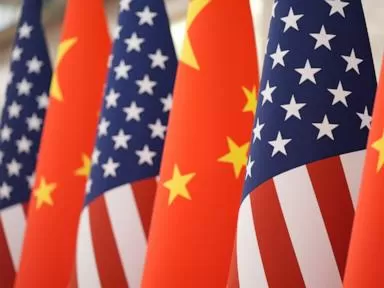
China’s commerce ministry vows ‘necessary measures’ after U.S. blacklists five tech companies linked to ex‑Google worker
Beijing denounces the latest U.S. sanctions on five Chinese companies tied to Linwei Ding, calling the action egregious and harmful to legitimate Chinese business interests.
On Tuesday, Beijing issued a blunt statement rejecting the United States’ decision to sanction five Chinese firms that are connected to Linwei Ding, a former Google engineer now accused of stealing AI‑related trade secrets.
“We have firm opposition to this egregious act,” the commerce ministry said, adding that the measures “severely harm the legitimate rights and interests of Chinese businesses.” The wording was intentionally strong, a clear signal that the Chinese government is not taking the move lightly.
The U.S. State Department’s move came after a federal jury in San Francisco convicted Ding in 2024 for economic espionage, finding he had covertly worked with two China‑based companies while still employed at Google. The department says Ding bragged that his startup, Shanghai Zhisuan Technology, could replicate Google’s “super intelligence infrastructure.”
Alongside Zhisuan, the sanctions also hit MiraclePlus – a startup incubator that had taken seed capital in exchange for a stake in Zhisuan – and three other entities linked to MiraclePlus. The State Department alleges these firms “knowingly engaged in, or benefitted from, significant theft of trade secrets of United States persons” after January 5, 2023.
China’s response was swift. The ministry urged Washington to “correct its erroneous practice” and warned that Beijing would take “necessary measures,” though it stopped short of spelling out what those might be. It’s a diplomatic way of saying retaliation could be on the horizon, without locking itself into a specific course of action.
In a separate note, the ministry highlighted that China’s AI breakthroughs are the result of long‑term investment in basic research and open cooperation, insisting that “nothing to do with the so‑called ‘stealing of trade secrets’.” The rhetoric underscores the growing narrative of mutual suspicion that’s been simmering between the two powers.
Meanwhile, in the United States, the Justice Department is appealing a recent dismissal of the economic espionage charges against Ding, keeping the legal battle alive even as the broader geopolitical stakes rise.
Editorial note: Nishadil may use AI assistance for news drafting and formatting. Readers can report issues from this page, and material corrections are reviewed under our editorial standards.