Behind the Glitz: L.A.'s Gritty Battle for Fairer Filming Conditions
- Nishadil
- February 18, 2026
- 0 Comments
- 4 minutes read
- 32 Views
- Save
- Follow Topic

L.A. Councilmember's Bold Push for Crew Welfare and Community Respect Faces Major Studio Resistance
A passionate plea to overhaul L.A.'s filming regulations aims to protect bone-weary crews and impacted neighborhoods, but the city's biggest studios are pushing back hard.
Los Angeles, the very heart of the global entertainment industry, often conjures images of dazzling premieres, red carpets, and the magic of moviemaking. It's a city synonymous with dreams, after all. But beneath that shimmering facade, a quiet, yet incredibly significant battle is brewing – one that seeks to fundamentally alter how films and TV shows are made right here on our streets, focusing on the well-being of the people who bring those dreams to life and the communities that host them.
Let's be real for a moment. The folks who actually make the magic happen – the camera operators, the grips, the electricians, the drivers – they often face grueling schedules. We're talking 14-hour days, sometimes more, with barely enough time to catch a wink before the next call time. This isn't just about being tired; it's about real safety concerns, burnout, and a quality of life that frankly, many would consider unsustainable. And it's not just the crews; our neighborhoods feel it too. Constant noise, blocked streets, mountains of trash – it can be a real headache for residents. All these issues, let's remember, have been simmering for ages, brought into sharp relief by the recent WGA and SAG-AFTRA strikes that shone a spotlight on broader industry practices.
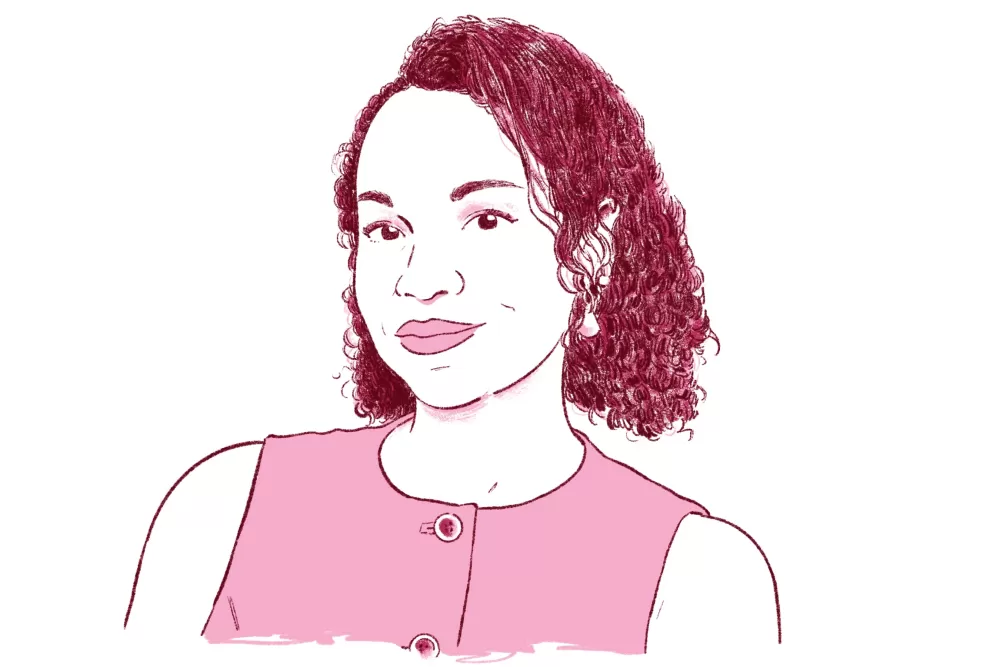
Enter L.A. City Councilmember Eunisses Hernandez, who's stepping up to the plate with a compelling, if controversial, vision. She's championing a motion that, among other things, would mandate a minimum 10-hour rest period between shifts for film crews. Can you imagine the difference that could make for someone operating heavy machinery or driving a large truck after a marathon day? Beyond just the crews, her proposal also pushes for stricter environmental assessments for productions and, crucially, community benefits agreements. It's about basic human decency, really, ensuring people aren't working themselves into the ground, and that the industry gives back to the very neighborhoods it impacts.
Of course, whenever you talk about significant change in a billion-dollar industry, you're bound to hear some strong opinions from the other side. And boy, have they spoken up. Major players like Netflix, Disney, NBCUniversal, and Warner Bros., alongside the powerful Motion Picture Association (MPA), are sounding the alarm. Their primary concern? The bottom line, naturally. They argue, quite vocally, that these new rules would jack up production costs, making L.A. a less attractive place to shoot compared to other states or even countries with looser regulations. It's a classic case of 'if it ain't broke, don't fix it,' or at least 'don't fix it here,' as some suggest these issues are better handled at the state level through collective bargaining.
But Councilmember Hernandez isn't standing alone in this fight, not by a long shot. She's got powerful allies in labor unions like IATSE Local 399 (representing location managers) and Teamsters Local 399 (the drivers and casting folks), as well as Basic Crafts unions. These folks, the ones on the ground, know firsthand the toll these conditions take. Even organizations like FilmLA, which manages film permits, and Streets for All, a pedestrian advocacy group, are throwing their support behind the motion, recognizing the broader benefits for the city.
This isn't just about a few extra hours of rest or a bit less noise, you know. It’s about the very soul of L.A.'s film industry – how it balances its incredible economic power with its responsibility to its workforce and its residents. The city council's decision will send a powerful message about what kind of Hollywood we want to foster: one that prioritizes profit above all else, or one that truly values the people and places that make the magic happen.
Editorial note: Nishadil may use AI assistance for news drafting and formatting. Readers can report issues from this page, and material corrections are reviewed under our editorial standards.