
B.C.'s Bold New Weapon: AI and Robotics Join the Fight Against the Toxic Drug Trade
- Nishadil
- April 18, 2026
- 0 Comments
- 4 minutes read
- 29 Views
- Save
- Follow Topic
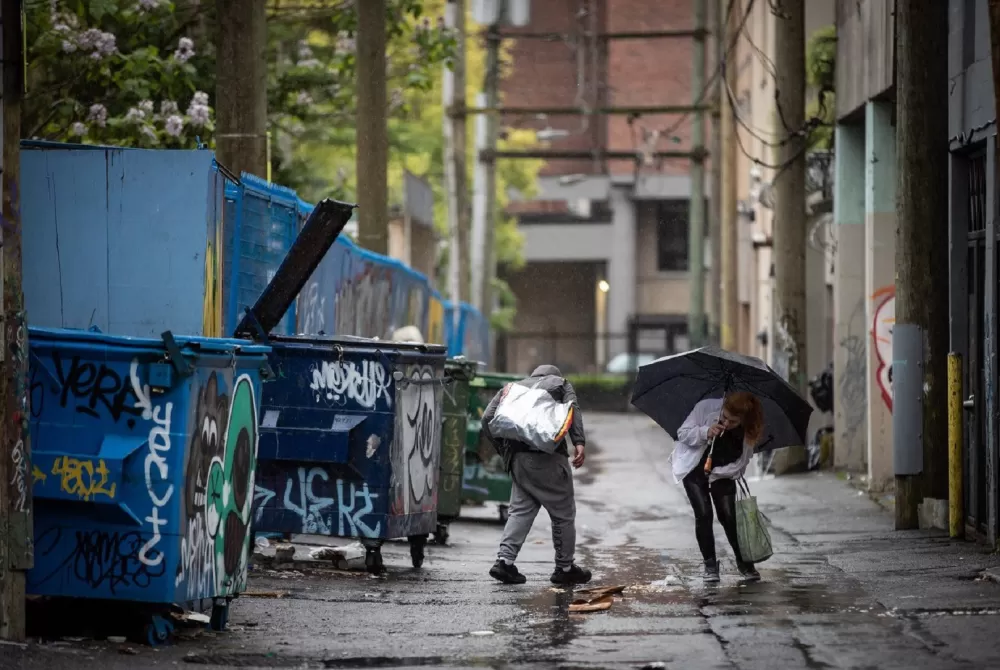
British Columbia Unleashes AI and Robotic Tech to Cripple Illicit Drug Supply
British Columbia is launching a groundbreaking program, leveraging cutting-edge AI and robotic technology to disrupt the flow of illicit drugs, targeting the supply chain rather than individuals. This marks a significant strategic shift in combating the toxic drug crisis.
Well, this is certainly a game-changer! British Columbia, grappling with the devastating toxic drug crisis, is rolling out a rather audacious new program, and honestly, it sounds like something straight out of a futuristic thriller. We're talking about deploying advanced AI and robotic technology, not to catch individual users, mind you, but to go after the really big fish: the organized crime networks and their illicit supply chains.
It's a stark reminder that the crisis demands innovation, and sometimes, that means thinking way outside the box. This initiative, believed to be the first of its kind in North America, aims to fundamentally disrupt how illegal drugs like fentanyl make their way into our communities. Imagine, if you will, sophisticated algorithms sifting through mountains of data – stuff that would overwhelm human analysts – to identify patterns, predict movements, and pinpoint the vulnerable points in these criminal operations. It's all about making it incredibly difficult, and costly, for drug traffickers to operate.
To be clear, the focus here is absolutely on the supply side, on preventing toxic substances from ever reaching our streets. The technology isn't designed for street-level arrests; it's about intelligence, about giving law enforcement an unprecedented advantage in understanding and dismantling these complex networks. Think major shipments, border crossings, and the shadowy financial flows that underpin the illicit trade. The sheer volume of data involved in tracking such activities is immense, and frankly, beyond human capacity to process efficiently.
This is where AI and robotics come in, offering a level of speed and accuracy that simply wasn't possible before. By analyzing trends and anomalies across vast datasets, these systems can flag suspicious activities, helping authorities to interdict large quantities of drugs and, crucially, to target the masterminds behind them. The hope, of course, is that by choking off the supply, fewer dangerous drugs will be available, ultimately saving lives in a province that has been hit particularly hard by overdose deaths.
Naturally, when we talk about powerful AI and data analysis, questions around privacy and ethical considerations are bound to surface. And they should! It's vital that such a program is implemented with robust oversight and clear guidelines to ensure these potent tools are used responsibly and within the bounds of civil liberties. But the sheer scale of the problem demands bold solutions, doesn't it?
This new program represents a significant pivot in strategy for British Columbia, moving beyond harm reduction and treatment alone, to a more aggressive, technologically-driven approach to combat the root of the toxic drug supply. It's a testament to the urgency of the situation and, frankly, a fascinating glimpse into how cutting-edge technology might reshape our approach to complex societal challenges. Time will tell how effective it truly is, but it certainly signals a new era in the fight against illicit drugs.
Editorial note: Nishadil may use AI assistance for news drafting and formatting. Readers can report issues from this page, and material corrections are reviewed under our editorial standards.


