Anak Krakatau Eruption Grounds Flights, Strands Hundreds of Thousands
- Nishadil
- September 07, 2026
- 0 Comments
- 3 minutes read
- 16 Views
- Save
- Follow Topic

Volcanic blast from Indonesia’s Anak Krakatau forces airport shutdowns and cancels 1,558 flights
A sudden eruption on the Anak Krakatau island sent ash over Jakarta, prompting the closure of eight airports, the cancellation of 1,558 flights and leaving roughly 170,000 passengers stranded.
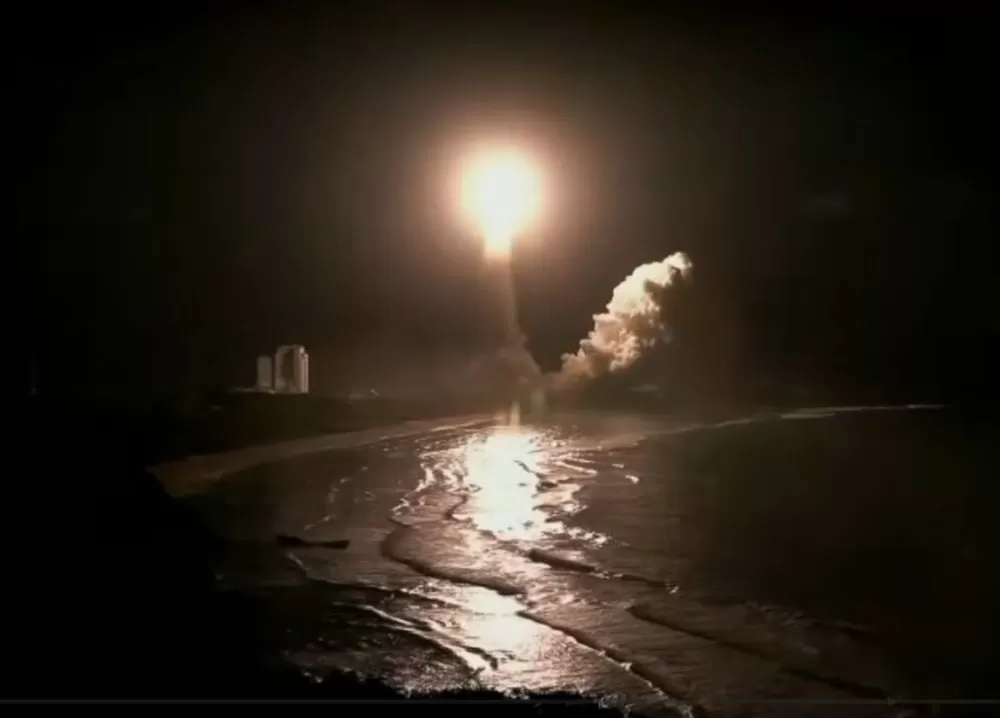
In the early hours of Sunday, a brief but violent eruption ripped through Anak Krakatau, the young volcanic sibling of the infamous 1883 Krakatau blast. The explosion lasted only a few seconds, yet the plume of ash it hurled sky‑high was enough to shut down a swath of Indonesia’s busiest air corridors.
Indonesia’s Geological Agency reported two separate bursts: one at 03:53 a.m., another about three hours later. Camera footage showed glowing lava spitting from the crater, while satellite images later revealed ash clouds climbing to 20,000 feet and even 50,000 feet in places.
Authorities acted quickly. AirNav Indonesia sealed off the airspace around Jakarta’s Soekarno‑Hatta International Airport and the nearby Halim Perdanakusuma field, plus six regional airports including Lampung’s Radin Inten II. By evening, eight airports were officially closed, and the tally of canceled flights hit 1,558 – 963 of them from Soekarno‑Hatta alone.
The fallout for travelers was immediate. Roughly 170,000 passengers found themselves grounded, many clutching tickets they could not use and hoping for timely refunds. Spanish tourist Diego Urdiales, stranded on his way home to Madrid, summed up the mood: “It’s an inconvenience, sure, but we’re waiting for the airlines to tell us what’s next.” Indonesian traveler Michele Gouw added, “It’s a natural disaster, a force majeure. We just have to accept it and wait for instructions.”
Beyond the airports, ash fell over Jakarta, Lampung and parts of Banten, prompting the Ministry of Transportation’s civil aviation chief, Lukman F. Laisa, to stress safety as the overriding priority. He warned that the ripple effect could strain aircraft rotations, fleet availability and terminal capacity for days.
While the eruption caused no injuries and no evacuation order was issued – the nearest settlement sits over 16 km away – officials urged anyone near the crater to keep at least a 3‑km buffer. The volcanology agency noted that activity has been on the rise since July, and while the current blast was the strongest this season, predicting a larger event remains impossible.
Schools in the ash‑affected zones were also ordered to shift to online learning temporarily, a precaution to keep children out of the gritty fallout. Meanwhile, the ash plume drifted northeast, touching Jakarta, West Java, Banten and even reaching the Indian Ocean west of Sumatra.
Anak Krakatau, which translates to “child of Krakatau,” has a grim history. Its 2018 eruption triggered a deadly tsunami that claimed over 400 lives. The island has since shrunk dramatically, but the magma beneath continues to churn, reminding the region that nature’s timetable never aligns with human plans.
Editorial note: Nishadil may use AI assistance for news drafting and formatting. Readers can report issues from this page, and material corrections are reviewed under our editorial standards.