
An Unexpected Ally? How mRNA COVID-19 Vaccines Might Be Lending a Hand in the Fight Against Cancer
- Nishadil
- October 03, 2026
- 0 Comments
- 4 minutes read
- 10 Views
- Save
- Follow Topic
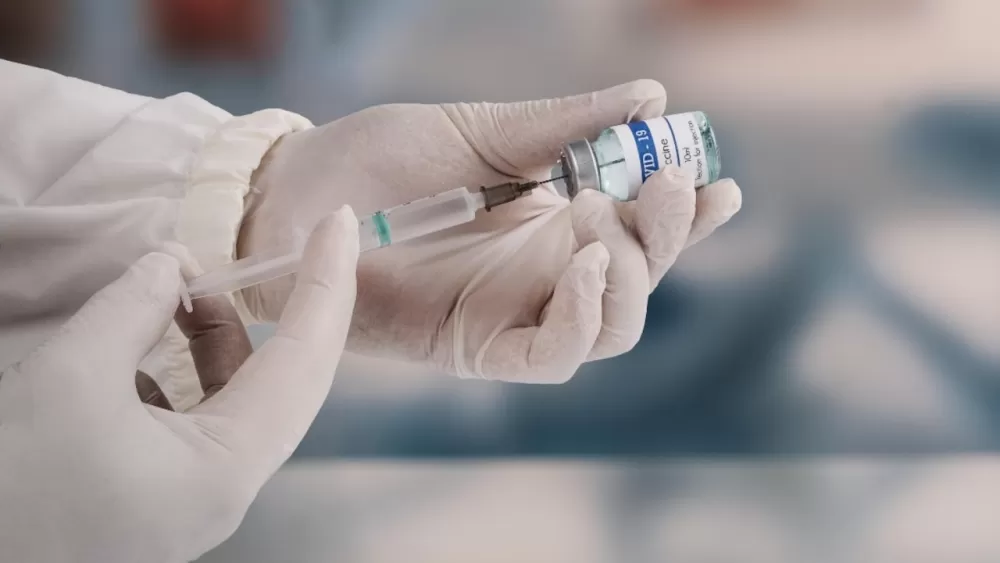
New Research Hints at a Remarkable Link Between mRNA Vaccines and Improved Immunotherapy Outcomes for Cancer Patients
A recent study published in Nature suggests that mRNA COVID-19 vaccines could enhance cancer treatment, with vaccinated patients showing significantly longer survival rates when combined with immunotherapy. Researchers are exploring the immune mechanisms behind this exciting potential link.
Imagine a discovery that could subtly boost the effectiveness of cancer treatments, stemming from something entirely unexpected – our well-known mRNA COVID-19 vaccines. It sounds almost too good to be true, doesn't it? Well, a fascinating new study is hinting at just such a possibility, offering a fresh glimmer of hope in the ongoing, tenacious fight against cancer.
Published in the esteemed journal Nature, this groundbreaking research, which surfaced in October 2025, brought to light some truly surprising data. It seems that cancer patients who happened to receive an mRNA COVID-19 vaccine around the same time they began their immunotherapy treatments actually lived significantly longer. We're talking about a retrospective look at nearly 1,000 individuals battling non-small cell lung cancer, all undergoing a specific kind of treatment called immune checkpoint inhibitor therapy. What's more, a similar, encouraging trend popped up in patients dealing with advanced melanoma, which really caught the researchers' attention.
Specifically, the team, which included key researchers like Elias Sayour, observed a pretty remarkable difference. Among those patients who got an mRNA jab within about 100 days of starting their immunotherapy, a striking 56% were still alive three years post-diagnosis. Now, contrast that with the unvaccinated group, where the survival rate, unfortunately, hovered around 31%. That's a pretty substantial gap, wouldn't you agree? It certainly warrants a closer look.
So, what exactly might be happening here? Why this unexpected connection? The leading theory suggests that the mRNA vaccination process triggers a powerful Type-I interferon response within the body. Think of this as an early-warning signal, a kind of internal alarm system for your immune cells. This immune activation, they believe, essentially "primes" the immune system, making it more responsive and getting those crucial T cells ready to identify and attack abnormal, cancerous cells. In essence, it might be making those tricky tumors more vulnerable to the existing immune checkpoint inhibitors, giving the treatment an extra, much-needed edge.
Now, it's absolutely crucial to understand that this isn't a personalized cancer vaccine – those are a different, albeit incredibly exciting, area of research, tailored specifically to an individual's unique tumor profile. This potential effect from the COVID vaccine is more about a general immune boost. And here's the really important part, the scientific caveat: these human findings are based on analyzing past medical records. While they show a compelling association, they don't definitively prove that the vaccine was the direct cause of patients living longer. There could be other factors at play, you know, variables that retrospective studies can't always fully account for.
That's why the scientific community is understandably cautious, yet also incredibly enthusiastic. The next logical step, and indeed one that's already in the works, is a proper clinical trial. Researchers are developing a rigorous study to test whether an mRNA COVID-19 vaccine can truly enhance immunotherapy for people facing advanced non-small cell lung cancer. This will be the key to confirming these initial, retrospective observations and moving closer to a genuine treatment benefit.
This whole discovery, published originally in Nature in October 2025, just goes to show how intertwined our understanding of the immune system can be. It's a testament to ongoing research, suggesting that a tool developed for one health crisis might unexpectedly hold a key to another. While definitive proof still awaits rigorous clinical trials, the idea that a simple mRNA vaccine could potentially lend a helping hand in the complex battle against cancer is certainly a captivating thought, offering a fresh wave of optimism for patients and researchers alike.
- India
- Health
- News
- HealthNews
- MedicalResearch
- Covid19Vaccine
- Cancer
- CancerTreatment
- LungCancer
- ClinicalTrials
- Immunotherapy
- CancerResearch
- ImmuneSystem
- CancerVaccine
- Melanoma
- NonSmallCellLungCancer
- MrnaVaccines
- MrnaTechnology
- EliasSayour
- CovidVaccines
- NatureStudy
- CancerImmunotherapy
- ImmuneCheckpointInhibitors
- PersonalisedCancerTreatment
Editorial note: Nishadil may use AI assistance for news drafting and formatting. Readers can report issues from this page, and material corrections are reviewed under our editorial standards.










