
America's Arsenal Under Strain: A Critical Look at Depleting Missile Stockpiles
- Nishadil
- April 22, 2026
- 0 Comments
- 4 minutes read
- 27 Views
- Save
- Follow Topic
As Conflicts Rage, US Missile Inventories Are Dwindling, Raising Alarms for Future Security
A recent report reveals the United States is burning through its missile stockpiles at an alarming rate due to ongoing global conflicts, posing significant risks for national security and readiness in potential future confrontations.
It's a worrying trend, one that's quietly gaining traction in the strategic circles of Washington: America's vast arsenal of sophisticated missiles, the very backbone of its military might, is steadily diminishing. A recent, rather stark report from the Bipartisan Policy Center laid it all out, painting a picture of dwindling stockpiles at a time when global tensions are, well, frankly, through the roof. This isn't just about abstract numbers; it's about real readiness, and it could have profound implications for how the U.S. navigates potential conflicts down the line.
So, what's actually driving this depletion? You see, it's a perfect storm of ongoing crises. For starters, there's the monumental effort to support Ukraine in its fight against Russian aggression, which has seen an unprecedented transfer of crucial weaponry. Then, closer to home, the tragic events in the Middle East have necessitated aid to Israel, further tapping into strategic reserves. And let's not forget the persistent, aggravating attacks by Houthi rebels in the Red Sea, forcing the U.S. Navy to expend costly defensive missiles almost daily to protect vital shipping lanes. Each of these situations, entirely justifiable in their own right, is drawing down the well faster than it can be refilled.
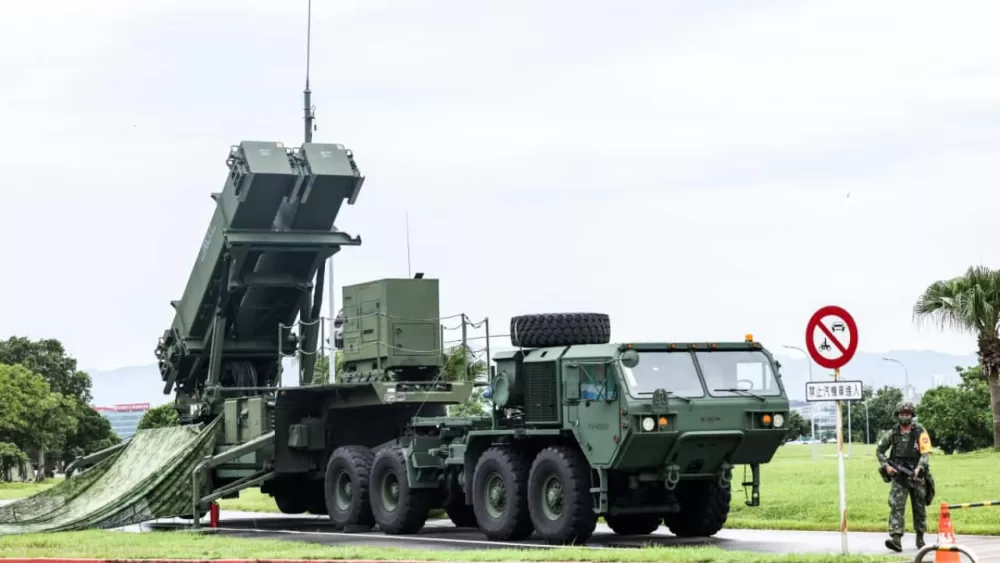
We're talking about some truly critical pieces of equipment here. Missiles like the Patriot, a crucial air defense system; the versatile Tomahawk cruise missile; the Joint Air-to-Surface Standoff Missile – Extended Range (JASSM-ER) for precision strikes; and even the Advanced Medium-Range Air-to-Air Missile (AMRAAM) – they're all being used at rates that simply outpace current production. The sheer complexity of these weapons means they aren't churned out overnight. They require intricate supply chains, highly specialized labor, and advanced manufacturing processes, all of which take significant time to scale up.
The core issue, it seems, lies within our defense industrial base. After decades of focusing on smaller-scale conflicts and a 'just-in-time' inventory approach, it's simply not geared for the kind of rapid, high-volume production needed to replace what's being expended. The report highlights serious bottlenecks: shortages of skilled labor, difficulties in securing raw materials, and long lead times for crucial components. It's a bit like trying to fill a bathtub with a leaky faucet – no matter how much water you pour in, you're constantly losing more than you're gaining.
And this, frankly, is where the real worry sets in. What happens if, God forbid, the U.S. finds itself in a larger, protracted conflict with a major peer competitor, say, China? Without sufficient stockpiles of these advanced weapons, the ability to sustain such a fight, to project power, or even to defend key assets could be severely compromised. It forces a very uncomfortable question: are we prepared for the scale of industrial mobilization that might be required in a truly dire scenario?
The authors of the Bipartisan Policy Center report are certainly not shy about suggesting solutions. They call for a significant, sustained investment in the defense industrial base, almost a modern-day equivalent of the industrial surge seen during World War II. We're talking about long-term contracts for manufacturers, incentives to expand production lines, and a renewed focus on building resiliency into our supply chains. It's a recognition that national security isn't just about the soldiers on the ground or the pilots in the air; it's also about the factories and the workers who build the tools they need.
Ultimately, this isn't just an arcane military procurement issue. It's a pressing national security challenge that demands immediate attention. Ignoring it, or simply hoping the problem will go away, could leave the United States vulnerable at precisely the moment it can least afford to be.
- India
- News
- Politics
- PoliticsNews
- China
- NationalSecurity
- UkraineAid
- MilitaryReadiness
- IsraelAid
- UsChina
- IsraelIranWar
- UsMissiles
- HouthiAttacks
- TomahawkMissiles
- DefenseIndustrialBase
- PatriotMissiles
- ThaadInterceptors
- Amraam
- IranUsTalks
- UsMissileStockpile
- PrecisionStrikeMissiles
- UsMissileStockpiles
- JassmEr
Editorial note: Nishadil may use AI assistance for news drafting and formatting. Readers can report issues from this page, and material corrections are reviewed under our editorial standards.


