A Walk Through Art on Paris’s Pont Neuf
- Nishadil
- June 23, 2026
- 0 Comments
- 2 minutes read
- 28 Views
- Save
- Follow Topic

Christiane Amanpour and Maria Golodryga discuss the bold new sculpture turning heads along the Seine
In a breezy stroll across the historic Pont Neuf, Amanpour and Golodryga chat with French artist Camille Dubois about the controversial piece sparking debate across Paris.
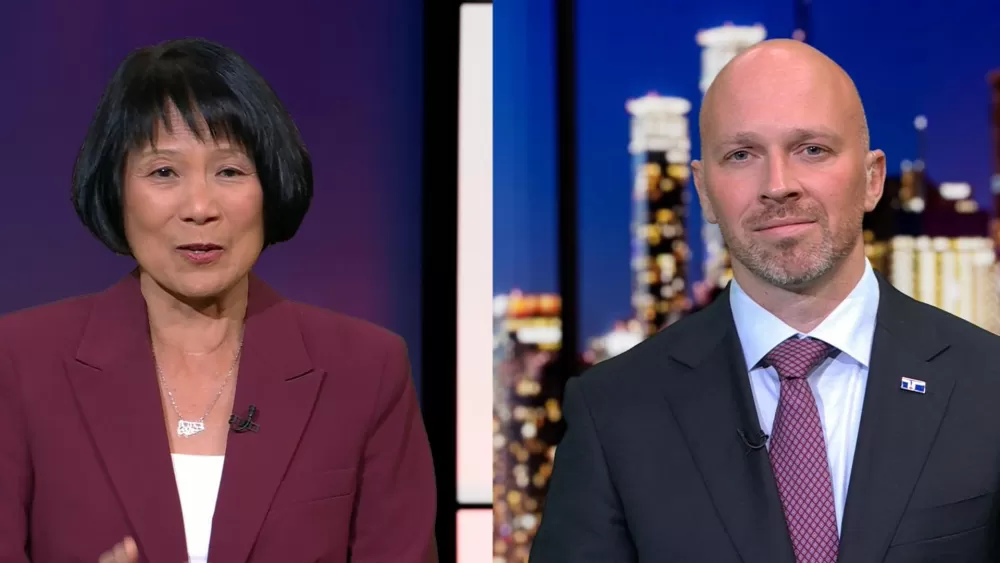
On a bright June morning, Christiane Amanpour and fellow CNN anchor Maria Golodryga met up on the Pont Neuf, the oldest standing bridge in Paris, to talk about a fresh splash of colour and controversy that has the city’s art lovers buzzing.
“It’s hard to miss,” says Dubois, the creator of the towering steel-and‑glass installation titled Le Rêve de la Seine. The sculpture, perched just above the water’s edge, twists upward like a wave frozen in metal, its reflective panels catching the sun and, apparently, the attention of both admirers and skeptics.
As the three women walked, the conversation drifted from the piece’s aesthetic daring to its deeper resonances. Amanpour noted that public art has always been a mirror for society’s hopes and anxieties, especially in a city that has seen everything from revolutions to runway shows from the same cobblestones.
“When you put something that challenges the familiar right on a bridge that has stood for 400 years, you’re literally forcing people to look at their history and ask, ‘What comes next?’" Golodryga added, her voice trailing off as a cyclist rang a bell nearby.
Dubois explained that the work is meant to evoke the ever‑shifting currents of climate change and the flow of ideas across borders. She hopes the sculpture becomes a meeting point—a place where Parisians and tourists alike pause, argue, and perhaps even find common ground.
Not everyone is convinced. Some local residents have taken to social media, calling the piece “gaudy” and “out of place.” The city council, however, defended the commission, pointing to a growing trend of “interactive urban art” meant to reinvigorate public spaces.
“Art that makes you uncomfortable can also make you think,” Amanpour reflected, looking out over the Seine. “And that’s exactly what good journalism aims to do.” The trio paused near the iconic stone statues that line the bridge, letting the gentle hum of the river fill the silence.
By the time the sun dipped lower, casting a golden hue over the water, the conversation had shifted to the broader role of media in covering culture. Golodryga emphasized the importance of giving artists a platform, while acknowledging that not every piece will win unanimous applause.
As they descended the bridge, the trio left the sculpture standing proudly against the skyline—still fresh, still debated, still inviting passersby to stare, question, and perhaps, smile.
Editorial note: Nishadil may use AI assistance for news drafting and formatting. Readers can report issues from this page, and material corrections are reviewed under our editorial standards.