A Surprising Turnaround: How Psychedelics Sparked Hope for One Woman’s Alzheimer’s
- Nishadil
- June 13, 2026
- 0 Comments
- 4 minutes read
- 12 Views
- Save
- Follow Topic

Woman’s Alzheimer’s Symptoms Reversed After Psychedelic Use – A Cautious Yet Optimistic Tale
When a 71‑year‑old began microdosing a psychedelic, her worsening memory lapses and confusion faded dramatically, prompting fresh debate about brain‑health treatments.
It sounds like something out of a science‑fiction novel, but the story is very real. Mary Thompson, a retired schoolteacher from Ohio, had been grappling with the slow creep of Alzheimer’s disease for nearly three years. Forgetting names, misplacing keys, occasional disorientation – the usual warning signs that got worse month after month.
Then, in early 2023, a close friend whispered about a new wave of research exploring psychedelics – substances like psilocybin and LSD – as potential neuro‑protective agents. Mary was skeptical, but also desperate. She decided to try a carefully measured microdose of psilocybin, under the supervision of a physician who was part of a pilot study.
The change wasn’t overnight, and it certainly wasn’t a miracle cure. Still, within weeks Mary reported that the fog lifting from her mind felt "like someone finally opened a window in a stuffy room." She could recall recent conversations more clearly, and the frustration of forgetting simple tasks eased noticeably.
Her family, initially wary, started noticing the difference too. Her daughter, who had been documenting her mother’s daily struggles, said, "I thought I was just being hopeful, but the improvement was consistent – it wasn't a one‑off flare‑up." Even her physician, Dr. Liu, a neurologist at the local medical center, observed measurable gains in cognitive testing, though she stressed the results are anecdotal and need rigorous validation.
What’s happening in Mary’s brain? Scientists hypothesize that psychedelics may promote neuro‑plasticity – essentially helping the brain form new connections and possibly repair damaged ones. Some early animal studies have shown reduced amyloid plaque buildup, the hallmark of Alzheimer’s, after psychedelic exposure. Human trials are still in infancy, but the buzz is growing.
That said, the story is far from a prescription for everyone. Psychedelics remain federally controlled substances, and unsupervised use can carry serious risks – anxiety, psychosis, or cardiovascular complications. Mary’s journey was monitored, dosed precisely, and paired with regular cognitive therapy. She herself cautions, "I’m not saying people should just pop a mushroom and expect a miracle. It was a structured, medical approach, and it’s still early days."
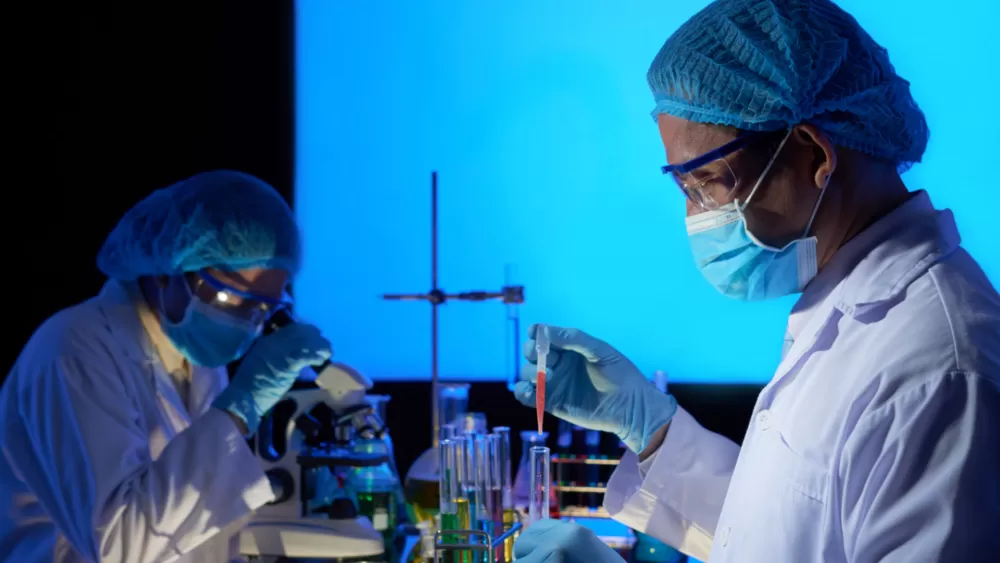
Nonetheless, her case adds a human face to a growing body of research that may one day reshape how we think about dementia. Researchers at several universities are now recruiting participants for larger, double‑blind studies, hoping to confirm whether the psychedelic effect can be replicated and, crucially, whether it’s safe for a broader population.
For now, Mary continues her microdosing regimen, attends weekly therapy, and enjoys simple pleasures – gardening, reading aloud to her grandchildren, and, most importantly, feeling present in her own mind again. Her story, while singular, fuels a cautious optimism that the next breakthrough in Alzheimer’s treatment might come from an unexpected corner of science.
Editorial note: Nishadil may use AI assistance for news drafting and formatting. Readers can report issues from this page, and material corrections are reviewed under our editorial standards.