A Political Jolt: 2028 Democratic Contender Makes Shocking Claim About Trump's Health
- Nishadil
- July 02, 2026
- 0 Comments
- 3 minutes read
- 30 Views
- Save
- Follow Topic

Democrat's 'Explosive' Health Prediction for Trump Sparks 2028 Firestorm
A potential 2028 Democratic presidential hopeful has ignited a fierce debate by publicly questioning Donald Trump's fitness for another term, making a stark and controversial prediction about his long-term health prospects.
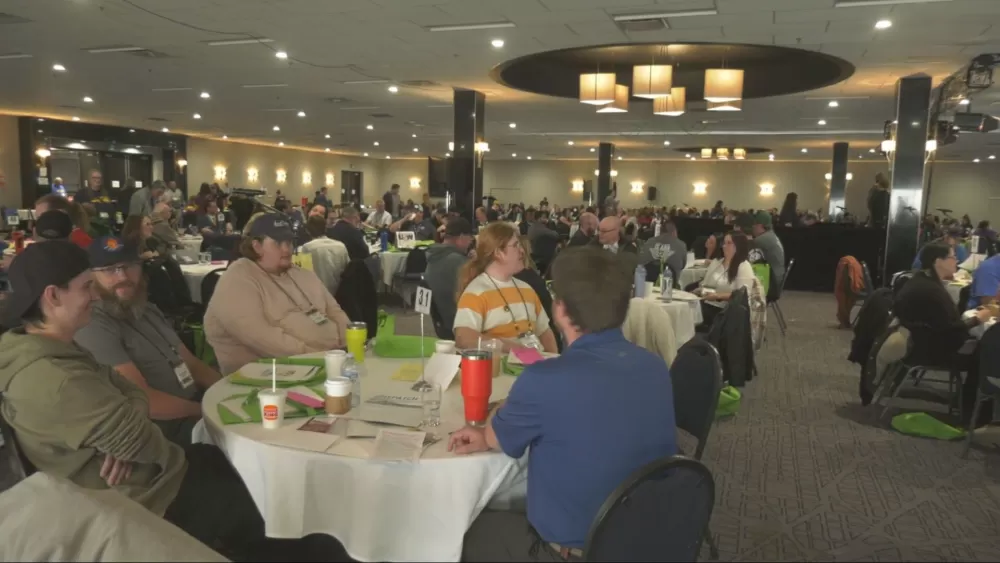
The political world, still two years out from the 2028 presidential election, just got a jolt, and boy, was it a big one. It all started when Senator Evelyn Reed, a rising star in the Democratic Party and a rumored contender for the nation’s highest office, dropped what can only be described as an explosive prediction about former President Donald Trump’s health. Her words, delivered with a measured gravity during a recent town hall in New Hampshire, immediately sent shockwaves through Washington and beyond.
“Let’s be candid,” Senator Reed began, her voice steady but firm, addressing a room packed with early primary voters and a gaggle of eager reporters. “The presidency is not merely a job; it’s an all-consuming, utterly relentless marathon. And frankly, given the immense physical and mental demands of the office, I have serious questions about Mr. Trump’s long-term capacity to withstand the unparalleled rigors of another four-year term, should he choose to run again. My honest assessment? I don't believe his health trajectory would allow him to see it through.”
Now, that's the kind of statement that doesn't just make headlines; it becomes the headline. It wasn’t a casual aside or a throwaway line. This was a deliberate, calculated strike, plunging directly into what many consider a forbidden zone: a political opponent’s personal health. You could almost feel the collective gasp, followed by the furious typing of journalists’ keyboards.
The immediate fallout was, as you might expect, intense. Republicans were quick to pounce, branding Reed’s comments as desperate, unseemly, and a new low in political discourse. They accused her of engaging in speculative fear-mongering and disrespecting a former president. “This is a shameful display,” retorted a spokesperson for Trump’s PAC, “a clear sign of a candidate willing to stoop to any level for attention, rather than focusing on real issues.”
But the reaction wasn’t monolithic, not by a long shot. While some Democrats quietly squirmed, concerned about the optics of such a direct attack, others lauded Reed for her perceived boldness, arguing that a candidate’s fitness for office, including their health, is a legitimate concern for voters. The debate over whether such personal predictions cross an ethical line or simply represent a necessary, albeit uncomfortable, examination of leadership capacity is now front and center, well ahead of any primary ballots being cast.
This isn't the first time a candidate's health has become a campaign talking point, of course. History is littered with examples where age, vitality, or perceived ailments have been weaponized or scrutinized. But Reed's prediction feels different; it's less about a current perceived infirmity and more about a forward-looking prognosis, a stark warning about potential future challenges. It forces voters, and indeed the entire political apparatus, to grapple with a difficult, perhaps even morbid, consideration.
So, what does this mean for the nascent 2028 race? Well, for Senator Reed, it’s undoubtedly put her name firmly on everyone’s lips, for better or worse. It’s a high-stakes gamble, no doubt, and only time will tell if her “explosive prediction” ultimately defines her campaign as visionary or simply overly aggressive. But one thing is for sure: the political conversation around the next presidential election just got a whole lot more personal, and undeniably, more charged.
Editorial note: Nishadil may use AI assistance for news drafting and formatting. Readers can report issues from this page, and material corrections are reviewed under our editorial standards.