
A New Chapter? Afghanistan's Supreme Leader Issues Major Decree Against TTP Presence
- Nishadil
- April 22, 2026
- 0 Comments
- 4 minutes read
- 38 Views
- Save
- Follow Topic
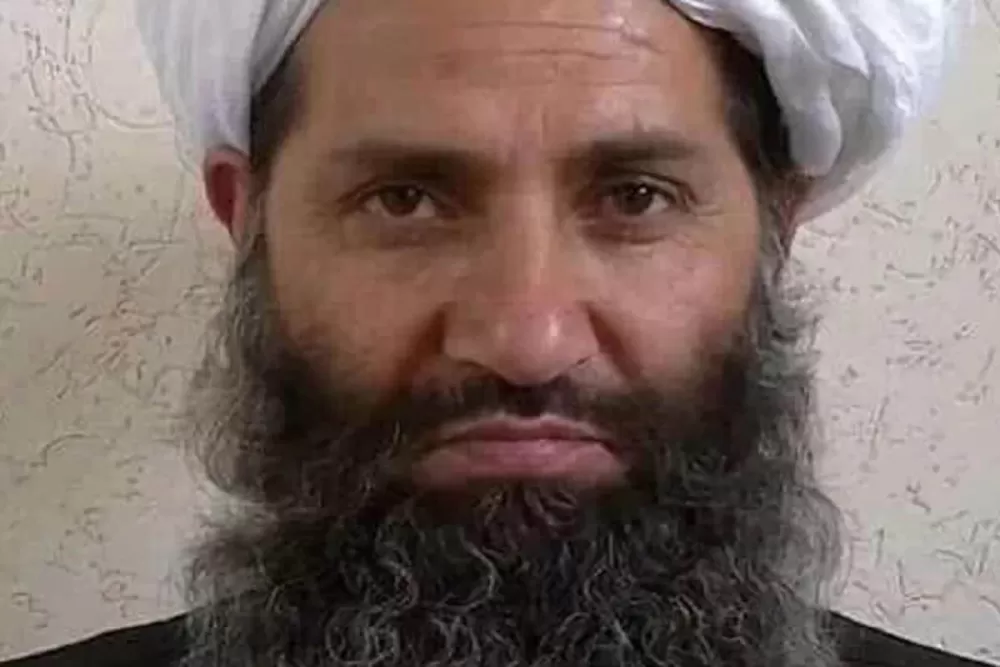
Afghan Taliban's Supreme Leader Takes Stand Against TTP: A Turning Point for Regional Peace?
Afghanistan's Supreme Leader, Hibatullah Akhundzada, has reportedly issued a decree explicitly banning the TTP from Afghan soil, a potentially significant development amidst escalating tensions with Pakistan.
Well, this is certainly a development that caught many by surprise, particularly those closely watching the rather tumultuous relationship between Afghanistan and its neighbour, Pakistan. Whispers have turned into a significant pronouncement: Hibatullah Akhundzada, the supreme leader of the Afghan Taliban, has reportedly issued a formal decree. And it’s not just any decree; it’s a direct order aimed squarely at the Tehrik-i-Taliban Pakistan, or TTP, explicitly prohibiting their presence and activities on Afghan soil.
For context, you have to understand the sheer frustration that has simmered, and often boiled over, between Islamabad and Kabul since the Taliban retook Afghanistan in 2021. Pakistan has been grappling with a rather alarming resurgence of militant attacks, almost all of them attributed, directly or indirectly, to the TTP, which, let’s be frank, shares deep ideological ties and even a lineage with the Afghan Taliban. Time and again, Pakistan has pointed fingers, accusing the Afghan authorities of either turning a blind eye or, worse, actively providing sanctuary to these groups. The tension has been palpable, leading to border skirmishes and a diplomatic impasse that often seemed insurmountable.
So, what exactly does this decree entail? From what we understand, it's pretty clear-cut. It forbids the TTP and any of its associated factions – and yes, some specific names like the Hafiz Gul Bahadur Group and Khorasani have reportedly been mentioned – from maintaining any sort of physical presence within Afghanistan’s borders. More crucially, it strictly prohibits them from using Afghan territory as a launchpad for hostile actions against Pakistan or any other neighbouring nation. But it doesn't stop there; the decree also calls for these militants to disarm and, quite pointedly, return to Pakistan. Should they fail to comply, the instruction is for Afghan forces to remove them. It’s a firm directive, no two ways about it.
Now, the million-dollar question: Why now? It’s truly a complex web of possibilities. One could argue it's a response to the intense international pressure the Afghan Taliban has been facing. With their government still largely unrecognized globally and the country grappling with severe economic woes, a genuine attempt to address regional security concerns might just be a calculated move to gain some much-needed legitimacy and, perhaps, unlock international aid. Or, perhaps, it's a strategic chess move, designed to de-escalate tensions with Pakistan, possibly to open channels for dialogue or even to extract concessions down the line. It's never simple, is it?
Of course, a healthy dose of skepticism is absolutely warranted here. This isn't the first time such directives have reportedly surfaced from the Afghan side. Previous assurances often dissolved into inaction, leaving Pakistan to continue facing the brunt of cross-border militancy. There are also persistent rumours of internal divisions within the Afghan Taliban itself; not everyone might be on board with actively confronting a group that, for many years, they considered brothers-in-arms, united against a common enemy. The ideological kinship is a powerful bond, after all.
So, what does this all mean for the future? Well, the real test, as always, lies in the implementation. Will this decree be enforced with genuine conviction, or will it simply remain a piece of paper, a diplomatic gesture without teeth? The implications are huge, not just for Afghanistan and Pakistan, but for broader regional stability. It could mark a genuine turning point, paving the way for a more peaceful co-existence. Or, it could just be another twist in a very long, very complicated story. Only time, and crucially, observable action on the ground, will tell.
- India
- Pakistan
- News
- Politics
- PoliticsNews
- Afghanistan
- Diplomacy
- RegionalSecurity
- Taliban
- Ttp
- Militancy
- TehrikITalibanPakistan
- CrossBorderAttacks
- Decree
- TalibanPakistanTensions
- HibatullahAkhundzada
- TtpSanctuaryAfghanistan
- AfghanTalibanCrackdownOnTtp
- PakistanCrossBorderAttacks
- ChinaRegionalInfluence
- AfghanSupremeLeaderDecree
- KandaharHighLevelSummit
Editorial note: Nishadil may use AI assistance for news drafting and formatting. Readers can report issues from this page, and material corrections are reviewed under our editorial standards.


