A Mumbai Night Turned Deadly: Unraveling the Drug Ring That Cost Lives at a Concert
- Nishadil
- April 22, 2026
- 0 Comments
- 3 minutes read
- 25 Views
- Save
- Follow Topic

The Concert Tragedy: How Drugs, Bribes, and an MBA Student Led to Deaths at Mumbai's NESCO
A chilling investigation reveals how a sophisticated drug network, involving an MBA student and a bribed security guard, smuggled deadly substances into a Mumbai concert, resulting in two tragic deaths and multiple hospitalizations.
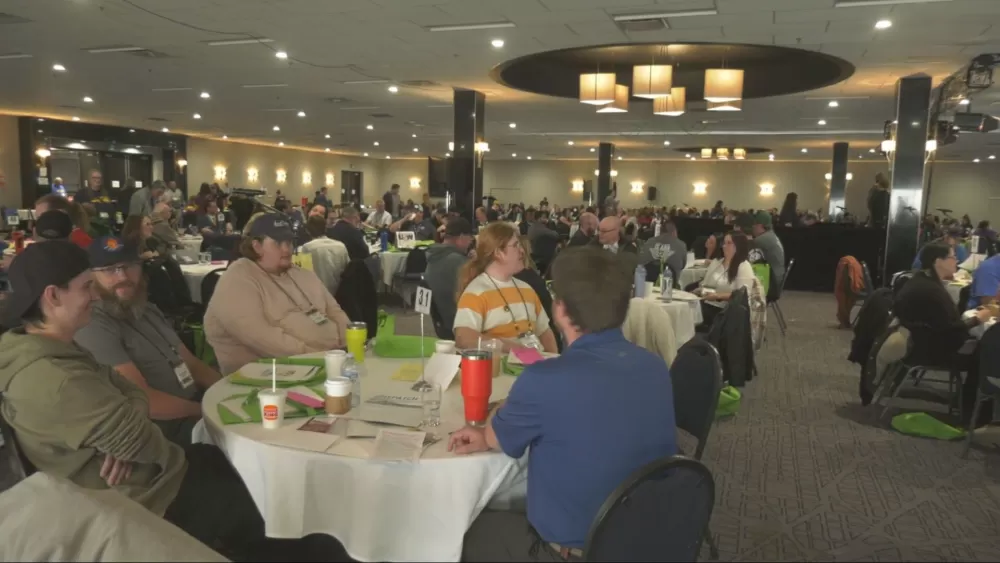
Picture this: a buzzing concert night in Mumbai, music throbbing, young people lost in the moment at the NESCO Exhibition Centre. Sounds idyllic, doesn't it? But what started as an evening of vibrant energy on May 26th, 2024, quickly devolved into utter horror. Before the night was out, two young lives—Sharad Singh, just 21, and Priyanka Agarwal, a mere 20—were tragically extinguished. Many others found themselves rushed to hospitals, their bodies reeling from a terrifying ordeal. Initially, whispers suggested a stampede, a crush in the crowd, but the truth, as it slowly unravelled, proved far more insidious, far more deliberate, and infinitely more heartbreaking.
The initial shock gave way to grim suspicion when toxicology reports started trickling in. The real killer wasn't overcrowding; it was drugs. Specifically, MDMA, or Ecstasy, in dangerous, fatal doses. This crucial discovery shifted the entire narrative, pulling the Mumbai Police's Anti-Narcotics Cell (ANC) into a sprawling, complex investigation. What they uncovered wasn't just an isolated incident of drug use, but a chillingly organized network operating right under the noses of event organizers and security.
At the heart of this dark web, police allege, was a 23-year-old MBA student with a penchant for DJing and, far more disturbingly, for peddling illicit substances. His name is Anuj Saini, and authorities believe he was the central architect, the primary supplier of MDMA and Mephedrone (MD) that flowed into the concert. But he wasn't alone. Saini, it seems, had an accomplice in Jay Makwana, another peddler tasked with the critical job of getting the drugs directly into the hands of buyers once they were inside the venue.
How did these dangerous substances bypass the layers of security one would expect at such a large-scale event? The answer is as simple as it is disheartening: a bribe. Prasad Chavan, a NESCO security guard, allegedly accepted a paltry sum of Rs 5,000 to look the other way, granting passage to these deadly parcels through Gate No. 2. Imagine that – lives traded for a few thousand rupees. The drugs themselves, often hidden within seemingly innocuous water bottles, slipped past checkpoints, transforming everyday items into vessels of poison.
Once inside, the network's operation was surprisingly modern, mirroring the digital age. Payments for these illicit substances were frequently made via UPI, leaving a digital trail for investigators to follow. The targets? Often young, sometimes first-time users, caught up in the exhilarating, yet tragically naive, belief that they were merely enhancing their concert experience. Sharad and Priyanka, in their youthful exuberance, likely had no idea of the lethal cocktail they were consuming. Their deaths serve as a brutal reminder of the unseen dangers lurking in what should have been a night of innocent fun.
The swift arrests of Saini, Makwana, Chavan, and a dozen others—fourteen in total, thus far—have shone a harsh light on the vulnerability of concert venues and the insidious reach of drug peddlers into youth culture. The police haven't stopped there, conducting raids on clandestine drug labs, determined to trace the supply chain back to its very source. This wasn't just about a few bad apples; it was a sophisticated, profit-driven enterprise that exploited the joyous atmosphere of a concert for its nefarious ends. The incident has understandably sparked widespread concern among parents, event organizers, and law enforcement alike, prompting urgent calls for stricter security measures and greater awareness about the pervasive threat of recreational drugs.
Editorial note: Nishadil may use AI assistance for news drafting and formatting. Readers can report issues from this page, and material corrections are reviewed under our editorial standards.