
A Mother's Cry: Kashmiri Families Face Agonizing Wait as Children are Trapped Amidst Iran's Rising Tensions
- Nishadil
- March 06, 2026
- 0 Comments
- 3 minutes read
- 37 Views
- Save
- Follow Topic
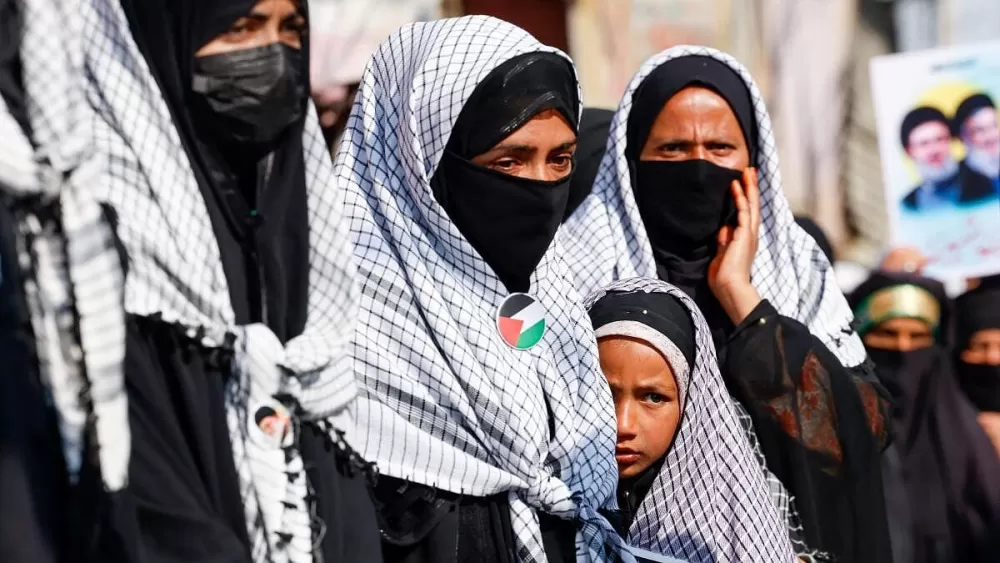
Kashmiri Parents' Desperate Plea: Children Stranded Again in Iran as War Fears Grip the Region
For hundreds of Kashmiri families, every passing day feels like an eternity of dread. Their children, many just barely teenagers, are thousands of miles away in Iran, pursuing religious studies, now caught in the terrifying vortex of escalating regional conflict. It's a heartbreaking déjà vu, echoing the anxieties of the pandemic, but with a far more perilous backdrop.
In the quiet, often-misty valleys of Kashmir, a different kind of storm is brewing – one of profound fear and agonizing helplessness. For countless parents here, the very mention of 'Iran' now conjures a chilling dread, as their beloved children, sent thousands of miles away for religious education, find themselves once again trapped in a geopolitical nightmare. It's a situation that has transformed every single night into an 'absolute nightmare,' as one distraught parent put it, their words heavy with unshed tears and sleepless worry.
Imagine, if you will, the gut-wrenching feeling of sending your young son or daughter off to pursue their dreams, perhaps to study at renowned seminaries in places like Qom, Iran, a journey rooted in faith and hope. Now, picture that hope turning to ash as the geopolitical landscape around them erupts. That's precisely the grim reality confronting hundreds of Kashmiri families right now. Many of these students are incredibly young, some just 12 or 13 years old, navigating a foreign land, and now, a foreign conflict, far from the comforting embrace of home.
What makes this situation particularly soul-crushing is that it's not the first time. There's a haunting echo of the COVID-19 pandemic, when these very students were also stranded, enduring immense uncertainty and hardship. Back then, it was a global health crisis; today, it's the escalating, unpredictable tensions between Iran and Israel, threatening to plunge the entire region into a full-blown war. For these parents, it feels like a cruel twist of fate, history repeating itself, but with stakes that are infinitely higher and far more terrifying.
The fear is palpable, almost suffocating. With each news report detailing missile strikes and retaliatory actions, the anxiety intensifies. Parents speak of frantic, often tearful, phone calls with their children, who themselves are living in a state of constant apprehension. They worry about potential airspace closures, about the safety of their dormitories, about the most basic necessities should the conflict worsen. "How can we sleep? How can we eat?" a mother laments, her voice breaking. "My child is there, in the middle of a war zone. I just want him back."
These desperate families are not standing idly by, mind you. They're doing everything humanly possible. They've formed groups, drafting heartfelt appeals to the Ministry of External Affairs (MEA), writing to local government representatives, and making fervent public pleas. Their singular, unified cry is for the Indian government to intervene swiftly, to initiate immediate evacuation efforts, and to bring their children home, safely, before it's too late. The clock, they feel, is ticking relentlessly.
It's a stark reminder of how global conflicts, even those far removed from our immediate borders, can have devastating, intensely personal impacts on ordinary families. For these Kashmiri parents, their children's pursuit of knowledge has become a journey fraught with unimaginable peril, transforming their homes into spaces of perpetual vigil and fervent prayer. Their only wish, their deepest longing, is for their sons and daughters to be back in their arms, away from the looming shadow of war.
- India
- News
- Crime
- CrimeNews
- MiddleEastTensions
- ParentsPlea
- IranIsraelConflict
- ChildrenTrapped
- KashmiriStudents
- IranWar
- IndianNationalsIranSafety
- IndianEmbassyTehranAdvisory
- IranIsraelUsConflict
- IndianGovernmentEvacuation
- GlobalConflictIndianStudents
- OmarAbdullahAdvisoryStudents
- KashmirFamiliesWorriedIran
- IranWarImpactStudents
- SrinagarFamiliesIranCrisis
- IndianStudentsStrandedIran
- QomUniversityStudentsIran
- IranAirspaceDisruptionTravel
- KashmirStudentsInIran
- IranWarKashmiriStudents
- KashmirNewsIranWar
- TehranExplosionsStudents
- IndianEvacuationDemandIran
- MiddleEastConflictStudents
- IndiaIranCrisisNews
- IndiaEvacuationIran2025
- OperationSindhuEvacuation
- KashmiriMedicalStudentsIran
- KashmirParentsPlea
- IndianStudentsIranCrisis
- TehranStudentsIndia
- QomSeminaries
Editorial note: Nishadil may use AI assistance for news drafting and formatting. Readers can report issues from this page, and material corrections are reviewed under our editorial standards.













