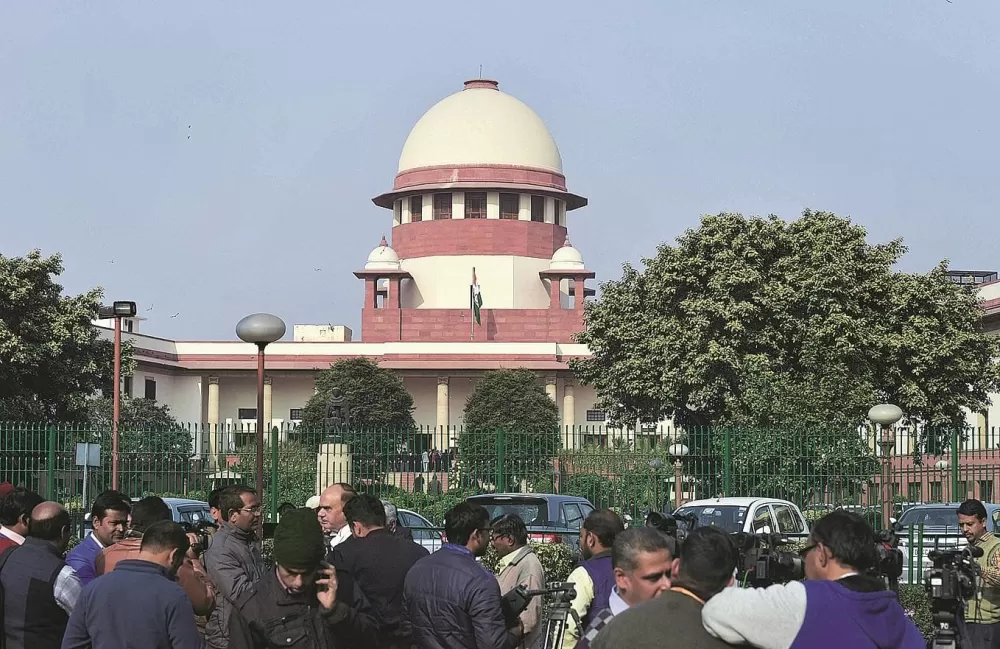
A Mother and Child's Return: India's Top Court Secures Repatriation on Humanitarian Grounds
- Nishadil
- December 04, 2025
- 0 Comments
- 3 minutes read
- 53 Views
- Save
- Follow Topic

Supreme Court Intervenes: Pregnant Woman and Child Mistakenly Deported to Bangladesh Will Return Home
Following a heart-wrenching plea, India's Supreme Court has successfully pushed for the return of a pregnant Indian woman and her young child, who were mistakenly deported to Bangladesh. This humanitarian intervention marks a significant victory for justice and compassion.
Imagine the sheer relief, the profound joy, that must have washed over Sukumar Mandal. For weeks, he’d been living a nightmare, his pregnant wife and their young child mistakenly deported to Bangladesh. But now, thanks to a compassionate intervention by the Supreme Court and a humanitarian concession from the government, they are finally coming home. It’s a story that truly highlights the power of empathy in the face of bureaucratic error.
This particular ordeal began with a truly baffling twist. Here was Rekha Mandal, a woman with what seemed like undeniable proof of her Indian citizenship – an Aadhaar card, a ration card, and a marriage certificate to an Indian national from West Bengal. Yet, despite these clear identifiers, she and her three-year-old child were tragically deported to Bangladesh on March 17, misidentified as foreign nationals by the Border Security Force. One can only begin to grasp the shock and fear she must have experienced.
Her husband, Sukumar, a daily wage labourer from West Bengal's North 24 Parganas district, wasn't about to give up. He lodged a desperate petition before the Supreme Court, a plea for justice and, more importantly, for the safe return of his family. He outlined the compelling evidence of his wife’s Indian identity, hoping the highest court in the land would see the undeniable truth amidst the confusion.
And indeed, they did. Chief Justice of India D.Y. Chandrachud, presiding over the bench, articulated the court's deep concern with characteristic clarity. "This is not merely a legal entanglement," he seemed to convey, "but a deeply human story." He stressed the paramount importance of humanitarian considerations, especially given Rekha’s advanced stage of pregnancy and the tender age of her child. The court simply couldn't stand by and allow this grave error to persist.
While the government, through Additional Solicitor General Aishwarya Bhati, initially raised some procedural points – understandable, perhaps, in such complex cases – the gravity of the situation, particularly Rekha's advanced pregnancy, clearly resonated. Ultimately, good sense and empathy prevailed. The government, to its credit, agreed to facilitate their safe return, acknowledging the humanitarian imperative at play here. This means coordinating with the Bangladeshi government to ensure their smooth repatriation.
Upon their return to India, the Supreme Court has also directed that Rekha Mandal be provided with immediate medical attention. It’s a crucial step, ensuring her well-being during such a delicate period. This entire episode serves as a powerful, albeit unfortunate, reminder of the vulnerabilities some individuals face, and the critical role that a vigilant judiciary plays in upholding not just the letter of the law, but its spirit of humanity.
Editorial note: Nishadil may use AI assistance for news drafting and formatting. Readers can report issues from this page, and material corrections are reviewed under our editorial standards.