A Health Director's Heartfelt Plea: Why America Fails Its New Mothers
- Nishadil
- May 27, 2026
- 0 Comments
- 4 minutes read
- 27 Views
- Save
- Follow Topic

Oregon's Health Director, Seandra Leslie, Shares Raw Postpartum Experience in NYT Essay, Calling for Systemic Change
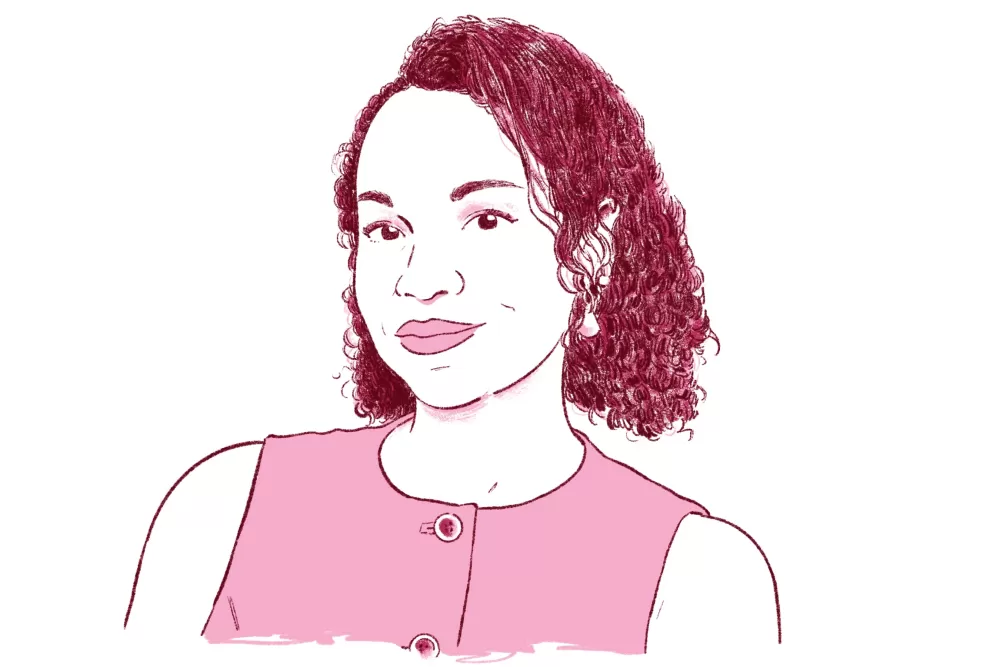
Oregon's top health official, Seandra Leslie, recently penned a powerful New York Times essay, sharing her personal struggles as a new mother to expose the glaring deficiencies in the U.S. maternal care system. Despite her privileged position, Leslie's postpartum journey was marked by isolation and inadequate support, highlighting a national crisis that leaves countless new parents feeling abandoned. Her firsthand account serves as a urgent call for comprehensive, integrated care for mothers across the country.
It's truly a rare and rather impactful moment when a high-ranking public health official pulls back the curtain on her own private struggles to shed light on a national crisis. That's precisely what Dr. Seandra Leslie, Oregon's esteemed health director, chose to do. Following the birth of her own child in January, she found herself confronting, head-on, the very system she's dedicated her career to improving. And frankly, what she found lacking moved her to pen a candid essay for The New York Times, sparking a much-needed conversation about how shamefully the United States treats its new mothers.
Think about it: the United States, a nation often boasting about its advancements, holds the unfortunate and frankly embarrassing distinction of having the worst maternal mortality rate among all developed countries. This isn't just a statistic; it represents countless families shattered and lives cut short. But the problem isn't just about mortality; it's about the entire continuum of care, or rather, the stark lack thereof, particularly in the critical postpartum period. For far too many mothers, the standard of care is a single, often cursory, six-week check-up. And then? Well, then you're often left to navigate the bewildering, exhausting, and sometimes profoundly isolating landscape of new motherhood entirely on your own.
Dr. Leslie's experience, in many ways, underscores just how broken the system truly is. Here she is, a woman with exceptional health insurance, a high-profile career, and a wonderfully supportive partner. Yet, even with all these advantages, she describes feeling utterly 'abandoned' and 'unseen' during those fragile weeks after her baby arrived. Can you imagine the profound isolation she must have felt? If someone in her position, with all those resources, struggles this much, what does that say about the millions of other mothers who don't have those safety nets?
Her essay, deeply personal yet resonating with universal truth, lays bare the gaping holes in our approach to maternal health. It's not just about physical recovery, though that's crucial, of course. It's also about mental health support – addressing the very real risks of postpartum depression and anxiety. It's about lactation assistance, practical help with childcare, nutritional guidance, and simply, just rest. Other countries, quite sensibly, offer comprehensive, integrated support that extends well beyond a single doctor's visit, acknowledging the holistic needs of a new family. They understand that bringing a new life into the world impacts every facet of a mother's being, not just her uterus.
Now, to be fair, Oregon itself is trying to lead by example. The state has initiated programs like universal nurse home visits for new mothers and has even extended postpartum Medicaid coverage, which is a fantastic step in the right direction. These are vital initiatives aimed at patching up some of those glaring holes. However, as Dr. Leslie's essay powerfully illustrates, the issue is much broader than any single state's efforts. It's a national shame, a systemic failure that demands a truly coordinated, federal response.
Ultimately, Dr. Leslie's decision to share her story is a courageous act of advocacy. By leveraging her unique position as both a policymaker and a new mother, she's forcing us to confront uncomfortable truths. Her call to action is clear: it's time, long past time really, for the United States to prioritize the health and well-being of its mothers, not just during pregnancy, but throughout the entire journey of new parenthood. Because when we support mothers, we truly are building a healthier future for everyone.
Editorial note: Nishadil may use AI assistance for news drafting and formatting. Readers can report issues from this page, and material corrections are reviewed under our editorial standards.