
A Glimmer of Gold: Why States Are Stockpiling Precious Metal in Uncertain Times
- Nishadil
- April 15, 2026
- 0 Comments
- 4 minutes read
- 34 Views
- Save
- Follow Topic
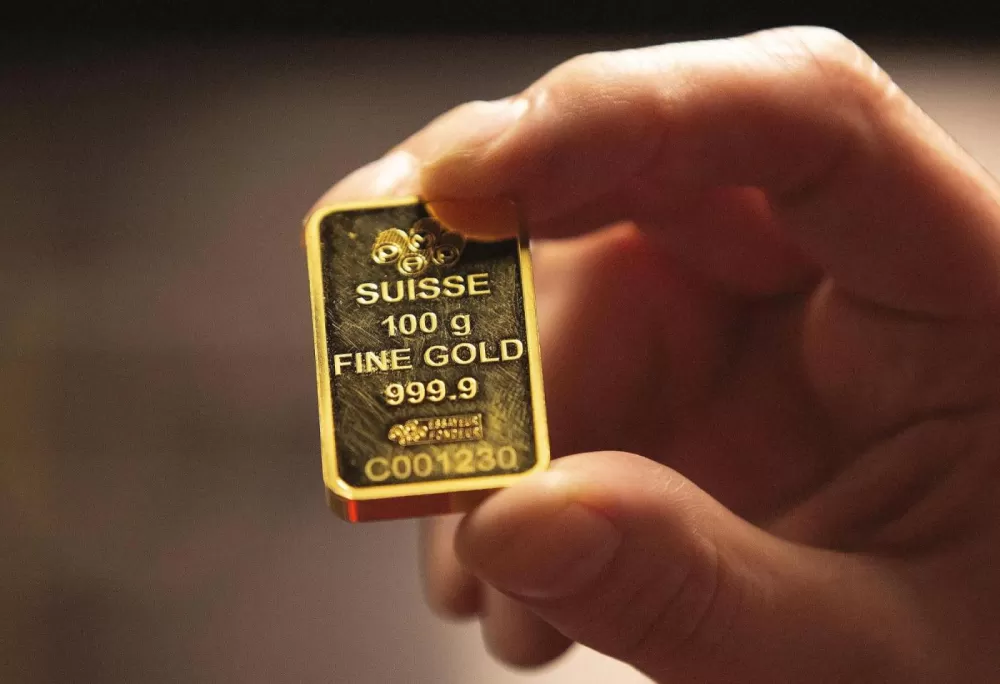
States Turn to Gold: A Hedged Bet Against Economic Instability or a Step Backwards?
In a surprising financial pivot, several U.S. states are quietly amassing significant gold reserves, sparking debate about economic sovereignty, inflation fears, and the future of traditional investments.
Alright, so imagine this: states, our very own U.S. states, are quietly, yet quite deliberately, turning away from the usual financial suspects – bonds, equities, you know the drill – and instead, they’re buying gold. Actual, physical gold. It's a move that feels less like modern portfolio management and more like something out of a historical drama, doesn't it? Yet, here we are in 2026, witnessing a tangible shift, a genuine tremor, in how some state treasuries are choosing to safeguard their wealth and, perhaps, our collective future.
Now, why on earth would they do such a thing? Well, if you’ve been paying even a lick of attention to the global economic landscape lately, it’s not exactly a picture of serene stability, is it? We’ve seen persistent inflation gnawing at purchasing power, geopolitical tensions creating ripple effects across markets, and a general, underlying hum of uncertainty about the long-term health of our national currency. For many state leaders, particularly those with an eye towards fiscal prudence and perhaps a touch of historical perspective, gold suddenly looks less like a relic and more like a rock-solid anchor in stormy seas. It's the ultimate hedge, isn't it? Something tangible when everything else feels... digital, ephemeral.
We’re not talking about just a lone eccentric state here either. While specific figures remain a bit hushed-hushed in some quarters, reports suggest a growing cohort of states, often those with conservative fiscal leanings or substantial pension liabilities to protect, are actively acquiring bullion. They’re doing it in various ways: some are converting portions of their existing bond portfolios, others are allocating fresh budget surpluses directly into gold. The motivation seems clear: to diversify away from purely fiat assets, to build a sovereign store of value that isn't directly tied to the whims of federal monetary policy or the latest bond market jitters. It’s a very deliberate statement, really.
Of course, this isn't happening without its share of raised eyebrows and vigorous debate. On one side, you have the proponents, who argue this is a masterful stroke of financial foresight. They champion gold as a timeless asset, immune to political machinations and quantitative easing, providing true security for state coffers and, by extension, its citizens. They point to historical collapses of fiat currencies and see this as a necessary, prudent step. But then, on the other side, the critics are quick to chime in, calling it an outdated, even "barbaric relic" – a drain on potential investment returns, difficult to store securely, and an inefficient use of taxpayer funds that could otherwise be fueling growth initiatives. "It's a step backward!" they cry, worried about liquidity and opportunity costs.
Beyond the immediate financial statements, this trend carries broader implications. Could it be a quiet signal of increasing distrust in federal economic stewardship? A push for greater state sovereignty in monetary matters? Or perhaps it’s simply a very pragmatic response to a world that feels increasingly unpredictable. Whatever the underlying philosophy, the sheer fact that multiple states are making such a distinct pivot is worth paying attention to. It suggests a foundational questioning of what constitutes true wealth and security in our modern, complex economy. It’s a bold move, no doubt about it, one that could set a precedent for others.
So, as these state vaults slowly fill with shimmering gold bars, the rest of us are left to ponder what it all truly means. Is this the dawn of a new era of state-level financial independence, a quiet rebellion against federal monetary policy, or just a temporary flight to safety that will reverse when the economic winds shift? Only time will tell, of course. But for now, that glint of gold in state treasuries serves as a potent, shiny reminder that when uncertainty reigns, even the most modern of institutions might just look to the oldest forms of value for comfort and security. It’s certainly something to keep an eye on, wouldn't you say?
Editorial note: Nishadil may use AI assistance for news drafting and formatting. Readers can report issues from this page, and material corrections are reviewed under our editorial standards.










