A Diplomatic Dance: Carlos Fernandez de Cossio's Insightful Exchange with Christiane Amanpour on Cuba's Path Forward
- Nishadil
- February 05, 2026
- 0 Comments
- 3 minutes read
- 60 Views
- Save
- Follow Topic

Behind the Headlines: Cuban Diplomat Carlos Fernandez de Cossio Navigates Complex Realities with Amanpour
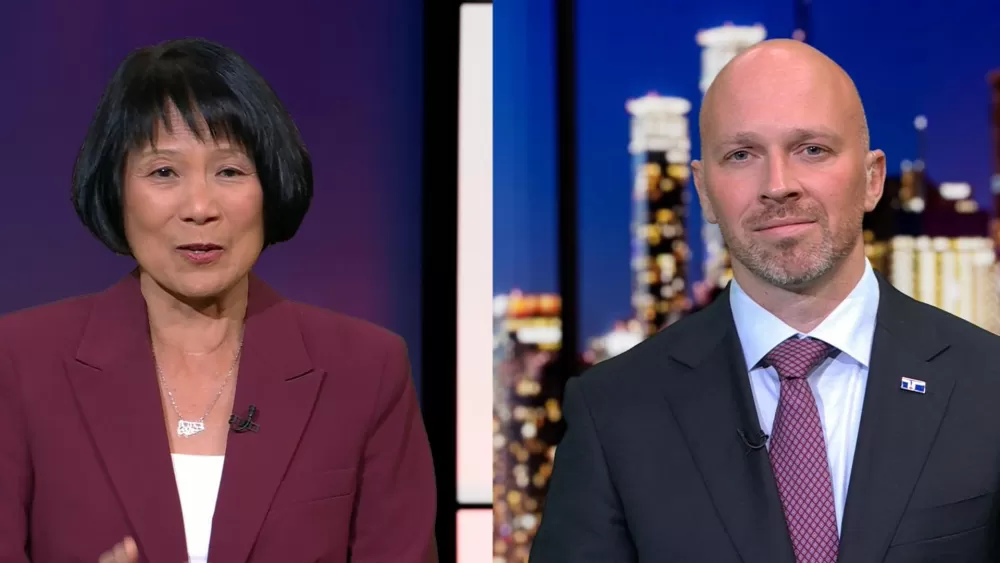
In a revealing interview, Cuba's Director General of U.S. Affairs, Carlos Fernandez de Cossio, offered a rare glimpse into Havana's perspective on its challenges and international standing during a candid discussion with veteran journalist Christiane Amanpour.
When Christiane Amanpour sits down for an interview, you just know it’s going to be a compelling, often challenging, conversation. And her recent exchange with Carlos Fernandez de Cossio, Cuba’s Director General of U.S. Affairs, was certainly no exception. It was a fascinating, at times tense, diplomatic dance, offering viewers a rather candid look into Havana's official stance on a range of incredibly complex issues, particularly those shaping its relationship with the United States.
De Cossio, a seasoned diplomat, stepped onto the global stage through Amanpour's platform, tasked with articulating Cuba's perspective amidst a backdrop of enduring sanctions, economic hardship, and, let's be honest, ongoing international scrutiny. He presented Cuba as a nation striving for sovereignty and self-determination, often reiterating the familiar narrative of resilience in the face of external pressures. It's a viewpoint many are accustomed to hearing, but one that always benefits from a direct, unmediated presentation, especially when juxtaposed with probing questions.
Naturally, the discussion gravitated towards the elephant in the room: the decades-long U.S. embargo. De Cossio meticulously outlined Cuba’s position, detailing the significant, pervasive impact these sanctions have on the everyday lives of Cuban citizens. He spoke of shortages, hampered development, and the profound difficulties in accessing essential goods – a reality that, for many on the island, feels relentless. He didn't shy away from connecting these economic struggles directly to U.S. policy, a consistent theme in Cuban foreign policy statements.
Amanpour, in her characteristic style, didn't let any point go unchallenged. She pressed De Cossio on internal matters, including concerns surrounding human rights, political freedoms, and the situations of dissidents within Cuba. These are, of course, the very topics that often draw the sharpest criticism from international observers and human rights organizations. De Cossio, while acknowledging certain challenges, generally framed these issues within Cuba's own constitutional framework and its sovereign right to self-governance. It was a clear demonstration of the ideological chasm that often separates Havana’s official narrative from Western critiques.
The conversation wasn't just about grievances; it also touched upon avenues for dialogue and potential future relations. De Cossio seemed to emphasize Cuba’s readiness for respectful engagement, suggesting that constructive talks, free from preconditions or interference, are always on the table. It’s an interesting olive branch, really, particularly in a climate that often feels entrenched. This interview served as a crucial reminder that, despite deep-seated disagreements, the lines of communication, however strained, remain open, if only through the rigorous questioning of an interviewer like Amanpour and the measured responses of a diplomat like De Cossio. Ultimately, it offered a valuable window into a relationship that continues to define a significant part of the geopolitical landscape in the Americas.
Editorial note: Nishadil may use AI assistance for news drafting and formatting. Readers can report issues from this page, and material corrections are reviewed under our editorial standards.