A Breath of Fresh Air: Ludhiana's Compassionate Move to Fuel Migrant Homes
- Nishadil
- April 05, 2026
- 0 Comments
- 3 minutes read
- 24 Views
- Save
- Follow Topic
Ludhiana Administration Simplifies LPG Access for Migrant Workers, Fostering Health and Dignity
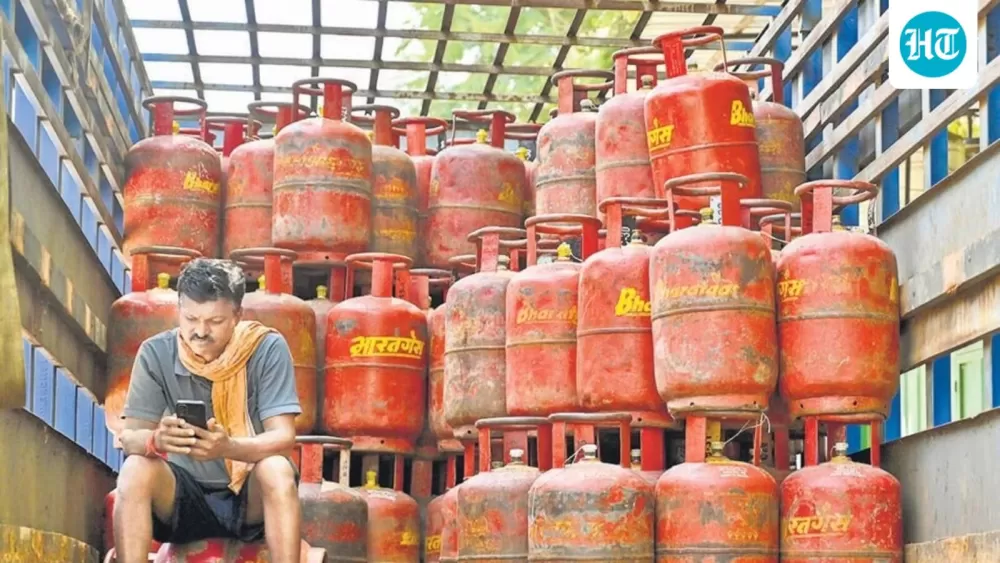
The Ludhiana district administration has made a significant compassionate stride, simplifying the process for migrant workers to obtain LPG connections by accepting self-declarations or employer certificates instead of stringent address proofs. This thoughtful move promises cleaner, safer cooking for thousands, aligning with a national vision for equitable access to modern amenities.
Imagine, for a moment, the daily life of a migrant worker. You've left your home, your village, often hundreds of miles behind, all in search of better opportunities, a chance to build a brighter future. You work hard, you contribute immensely to the local economy, but when it comes to basic necessities, sometimes the system just isn't built for your transient reality. One such challenge? Accessing something as fundamental as clean cooking fuel.
For far too long, securing an LPG connection has been a bureaucratic maze for many migrant families. The stringent requirements for permanent address proof, the endless hunt for documents – it often leaves them with no choice but to rely on traditional, smoke-producing cooking methods. And let's be honest, those methods aren't just inconvenient; they're a serious health hazard, contributing to respiratory illnesses, especially for women and children who spend more time in the kitchen. It's a problem that impacts dignity, health, and overall quality of life.
But here's some genuinely good news, a real glimmer of hope emerging from Ludhiana. The district administration there, in a move that feels genuinely thoughtful and human-centric, has decided to cut through this red tape. They've recognized the unique predicament of migrant workers and are actively working to ease their access to LPG connections. It’s a practical step that acknowledges their contribution and addresses a pressing need.
So, what exactly does this mean on the ground? Well, the game-changer is the relaxation of those pesky documentation rules. Migrant workers no longer need to jump through hoops to provide extensive address proof. Instead, they can now opt for a simple self-declaration – essentially, a signed statement affirming their residency – or a certificate from their employer. Think about it: that's a world of difference for someone who might not have a utility bill in their name or a formal lease agreement. It’s about trust, about understanding, and about practical solutions.
This isn't just about making things a little bit easier; it's about a profound impact on people's lives. By simplifying access to LPG, Ludhiana is ensuring that more families can switch from burning wood or dung – sources that produce noxious smoke – to clean-burning gas. This translates directly into better health outcomes, a cleaner home environment, and more time for families, as less effort is spent collecting traditional fuels. It's a step towards equitable living standards for everyone, regardless of their migratory status.
This initiative also resonates deeply with the spirit of national schemes like the Pradhan Mantri Ujjwala Yojana, which aims to provide clean cooking fuel to underprivileged households. While Ujjwala primarily targets BPL families, Ludhiana's move extends this principle of access and dignity to another vulnerable group: the migrant workforce. It's a powerful example of how local administration, by listening to the needs of its people, can lead the way in creating more inclusive and healthier communities. Kudos to Ludhiana for showing us how it's done – with a little bit of common sense and a whole lot of compassion.
Editorial note: Nishadil may use AI assistance for news drafting and formatting. Readers can report issues from this page, and material corrections are reviewed under our editorial standards.