
A $60 Billion Ripple: India's Water Storage Plan Stirs Alarms Downstream
- Nishadil
- March 02, 2026
- 0 Comments
- 3 minutes read
- 24 Views
- Save
- Follow Topic
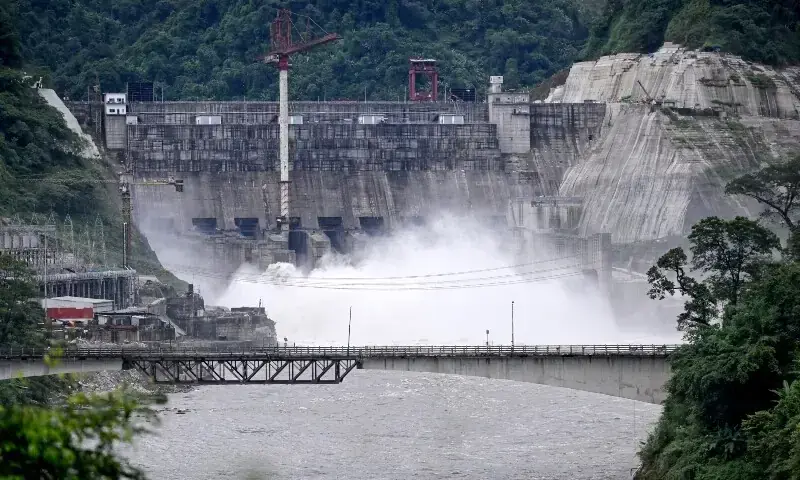
India's Ambitious Indus Water Project Ignites Fresh Tensions with Pakistan
India's massive $60 billion plan to build new water reservoirs on the Indus river system is sparking considerable concern in Pakistan, raising questions about the future of the 1960 Indus Waters Treaty and potential impacts on Pakistan's water security.
There’s a colossal undertaking brewing in India, one that’s projected to cost a staggering $60 billion. We’re talking about an ambitious plan to construct new water storage facilities and hydropower projects across the rivers of the Indus basin. It sounds like a grand engineering feat, doesn't it? And in many ways, it is – designed to bolster India’s irrigation capacity and energy supply. But, as with many large-scale projects involving shared natural resources, this one comes with significant downstream implications, particularly for Pakistan.
Downstream, precisely, is where the alarm bells are ringing. Pakistan, a nation heavily reliant on these very same rivers for its agricultural backbone and overall sustenance, views India's burgeoning water infrastructure plans with growing apprehension. The heart of the matter lies in a decades-old agreement: the 1960 Indus Waters Treaty. This landmark pact, brokered by the World Bank, has largely regulated the sharing of these vital waters between the two South Asian neighbors, even surviving periods of intense political strife.
Under the treaty, India was granted control over the eastern rivers (Ravi, Beas, and Sutlej), while Pakistan secured rights to the western rivers (Indus, Jhelum, and Chenab). However, the treaty also allows India to use the waters of the western rivers for specific purposes, such as domestic use, non-consumptive use, and limited hydropower generation and storage, provided it doesn't impede the flow to Pakistan. This new $60 billion push, involving extensive storage and hydropower projects on the western rivers, has naturally led Pakistan to scrutinize the details very closely.
Pakistani officials and water experts are openly expressing fears that such large-scale developments could drastically reduce the flow of water reaching their agricultural lands, potentially jeopardizing food security and exacerbating existing water scarcity issues. Imagine the impact on millions of farmers and entire communities if the water lifeline they've depended on for generations suddenly thins out. It's a deeply concerning prospect, to say the least, touching on issues of national survival and economic stability.
For India, the motivation behind these projects is clear: a rapidly growing population demands more food, and that means more irrigation. A burgeoning economy needs more electricity, and hydropower is a clean, albeit sometimes controversial, source. From their perspective, these projects are essential for their own development and energy security. The challenge, of course, is balancing these internal needs with international agreements and the legitimate concerns of a riparian neighbor.
The situation highlights the delicate balance inherent in transboundary river management. While the Indus Waters Treaty has often been lauded as a success story for its endurance, these new developments underscore the continuous need for dialogue, transparency, and a spirit of cooperation. Both nations are facing increasing water stress due to climate change and population growth, making the equitable sharing and efficient management of these shared resources more critical than ever before. One can only hope that open communication prevails to prevent this potentially beneficial plan from becoming a source of renewed and lasting conflict.
Editorial note: Nishadil may use AI assistance for news drafting and formatting. Readers can report issues from this page, and material corrections are reviewed under our editorial standards.


