A $10 Optical Chip Could Turn Your Wristwatch Into a Mini Lab
- Nishadil
- October 23, 2026
- 0 Comments
- 3 minutes read
- 8 Views
- Save
- Follow Topic
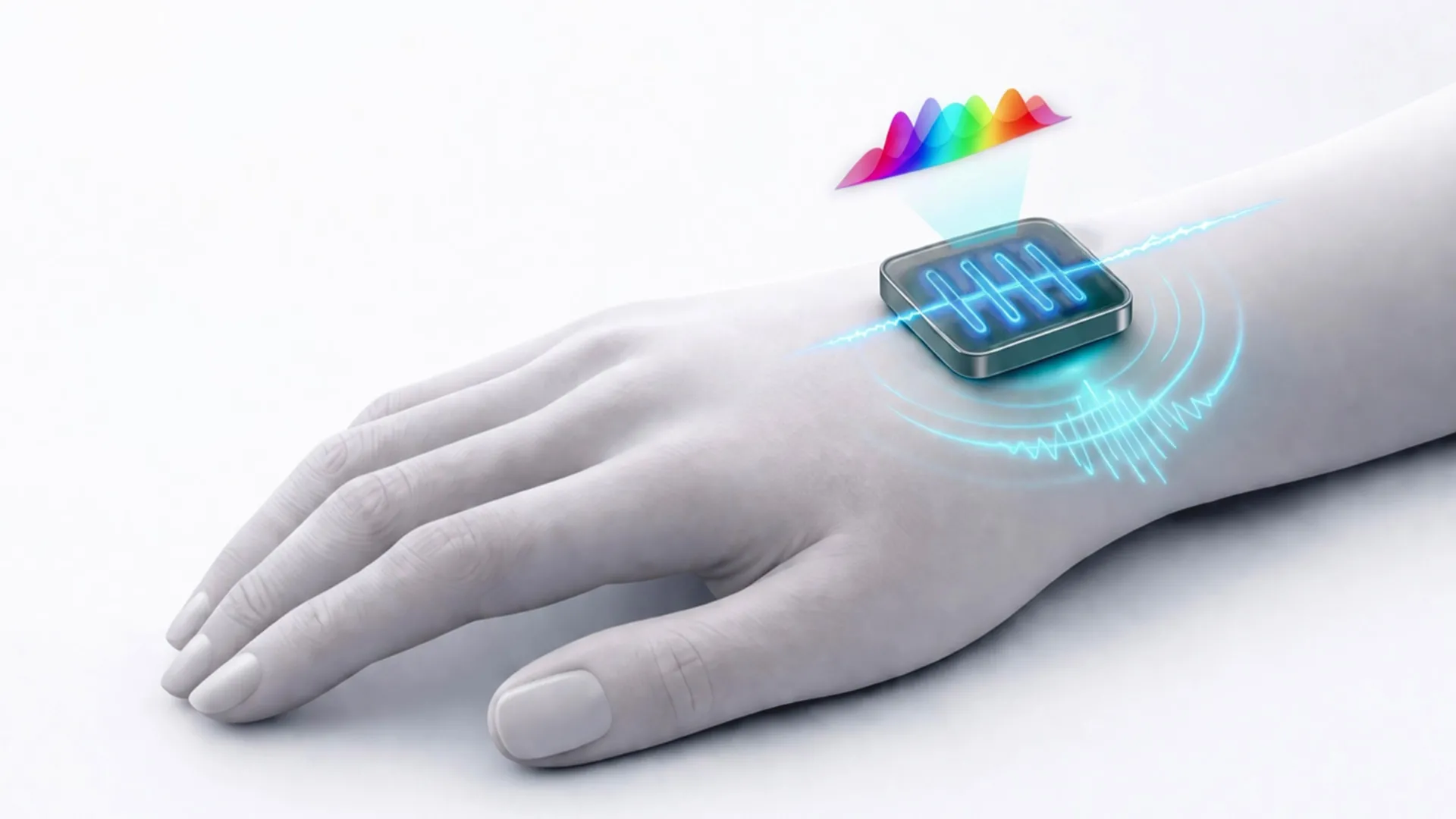
Cambridge researchers unveil a cheap, high‑precision spectrometer that may soon let wearables test blood sugar and identify foods on the go
Scientists at the University of Cambridge have built a $10 optical sensor that matches lab‑grade accuracy. The tiny spectrometer could be baked into smartwatches for non‑invasive glucose monitoring, food safety checks and more.
Imagine a lab the size of a fingernail strapped to your wrist. It sounds like sci‑fi, but a team at the University of Cambridge has actually built something that close—a $10 optical sensor that can do the kind of chemical analysis you’d normally need a full‑size spectrometer for.
What makes this little device so special? It’s not just that it’s cheap; it’s also surprisingly accurate. In the lab the researchers used it to sniff out plastics, coffee, tea, flour and even pharmaceutical tablets, and it got every single one right. That 100 % success rate is a bold claim, but the numbers they reported line up with other performance metrics, like measuring concentrations in water down to a few hundredths of a percent.
The magic lives in the way the sensor treats light. Traditional spectrometers either split light into a rainbow of wavelengths or run heavy‑duty calculations after the fact. This new gadget takes a different route—it performs a mathematical operation called convolution directly on the incoming light, thanks to a clever stack of tiny optical components that repeat the same spectral pattern.
“We went back to the math and asked whether there was a cleaner way to get a spectrum,” explains Dr. Chunhui Yao, the study’s lead author. By arranging things like Mach‑Zehnder interferometers and micro‑ring resonators in a precise sequence, the team can shift the device’s response across wavelengths in a linear, predictable way. A fast Fourier transform then pulls the spectrum out of the data, and it happens in under a second.
Because the design relies on repeating patterns rather than fixed hardware, you can extend its bandwidth simply by adding more of the same pieces. In theory the spectral range could grow almost without limit, and the resolution improves dramatically with each added element.
Beyond the lab bench, the researchers gave the sensor a real‑world spin. They slipped it onto a participant’s skin and tracked blood glucose levels for several hours—no needles involved. The readings tracked closely with standard finger‑prick tests, hinting at a future where you could monitor sugar levels as easily as checking your heart rate.
Other health markers weren’t left out. The chip also measured skin moisture, blood alcohol and even lactate, all without having to draw blood. Its robustness was impressive too; the device kept humming along from –20 °C to 80 °C, which is well beyond the comfort zone of most mini‑spectrometers.
Prof. Qixiang Cheng, who oversaw the project, notes that the combination of performance, low cost and ruggedness makes the technology ripe for commercial use. “It’s not just a lab curiosity,” he says. “It’s a step toward putting true analytical chemistry into everyday wearables.”
If a start‑up called GlitterinTech, spun out of the Cambridge lab, can mass‑produce these chips at the advertised $10 price tag, we could see smartwatches that double as food safety scanners, industrial quality‑control tools, and—perhaps most excitingly—needle‑free glucose monitors within the next few years.
Editorial note: Nishadil may use AI assistance for news drafting and formatting. Readers can report issues from this page, and material corrections are reviewed under our editorial standards.